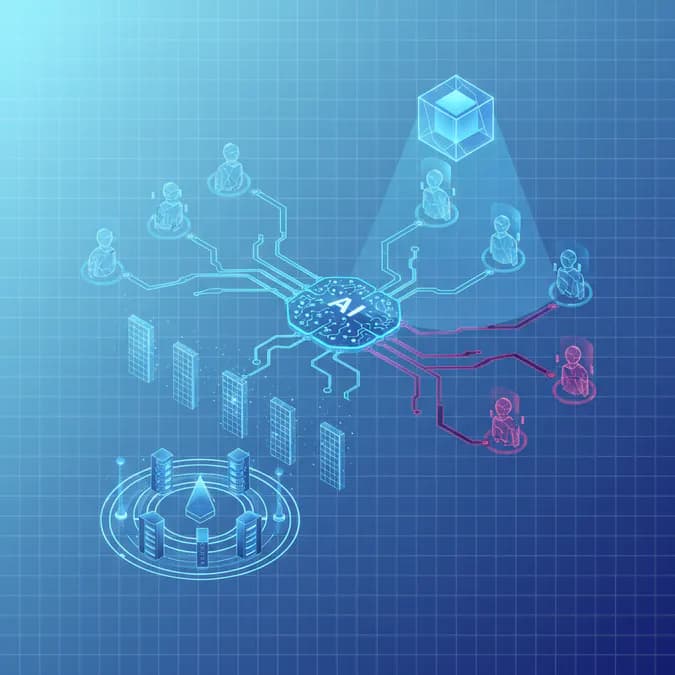
The Rise of AI-Powered Cyber Attacks
Artificial intelligence is revolutionizing the way cybercriminals operate. By leveraging machine learning algorithms, attackers can analyze vast amounts of data to identify vulnerabilities in systems. This automation not only speeds up the attack process but also increases the scale at which these attacks can occur. As AI continues to evolve, the methods used by cybercriminals will become even more sophisticated, making it crucial for individuals and organizations to stay informed and vigilant.
Digital Identity Theft Techniques
As digital identities become increasingly valuable, cybercriminals are adopting various techniques to exploit vulnerabilities. Some of the most common methods include:
- Phishing: Deceptive emails or messages trick users into revealing their login credentials.
- Malware: Malicious software that can capture keystrokes or access sensitive information.
- Social Engineering: Manipulating individuals into divulging confidential information.
Session and Token Hijacking Explained
Two emerging techniques in digital identity theft are session theft and token hijacking. These methods allow attackers to gain unauthorized access to user accounts without needing to know the actual passwords.
- Session Theft: Attackers exploit vulnerabilities in web applications to hijack active sessions, allowing them to impersonate users.
- Token Hijacking: Cybercriminals intercept authentication tokens used in secure communications, granting them persistent access to user accounts.
These techniques are particularly concerning as they can lead to long-term breaches and significant data loss. According to a cybersecurity analyst, "The rise of AI in cybercrime means that traditional security measures may no longer be sufficient. Organizations must adapt quickly to protect their digital identities."
Protecting Digital Identities in the AI Era
To safeguard against these evolving threats, individuals and organizations must adopt robust security measures:
- Implement multi-factor authentication (MFA) to add an extra layer of security.
- Regularly update software and systems to patch vulnerabilities.
- Educate users about phishing and social engineering tactics.
Future of Cybersecurity Threats
As AI continues to evolve, so too will the methods used by cybercriminals. The future of cybersecurity will likely see an increase in AI-driven attacks, making it imperative for organizations to stay ahead of these threats. Continuous monitoring, adaptive security measures, and a proactive approach to cybersecurity will be essential in protecting digital identities.
Key Takeaways
- AI is significantly changing the landscape of digital identity theft.
- Cybercriminals are employing advanced techniques like session and token hijacking.
- Robust protective measures are essential to safeguard digital identities.
- Continuous education and adaptation are crucial in the fight against cyber threats.
Frequently Asked Questions
What is digital identity theft?
Digital identity theft occurs when someone uses another person's personal information without their consent, typically to commit fraud or other crimes.
How can I protect myself from digital identity theft?
To protect yourself, use strong passwords, enable multi-factor authentication, and be cautious of suspicious emails or messages.
What role does AI play in digital identity theft?
AI enhances the capabilities of cybercriminals by automating attacks and analyzing data to identify vulnerabilities more effectively.