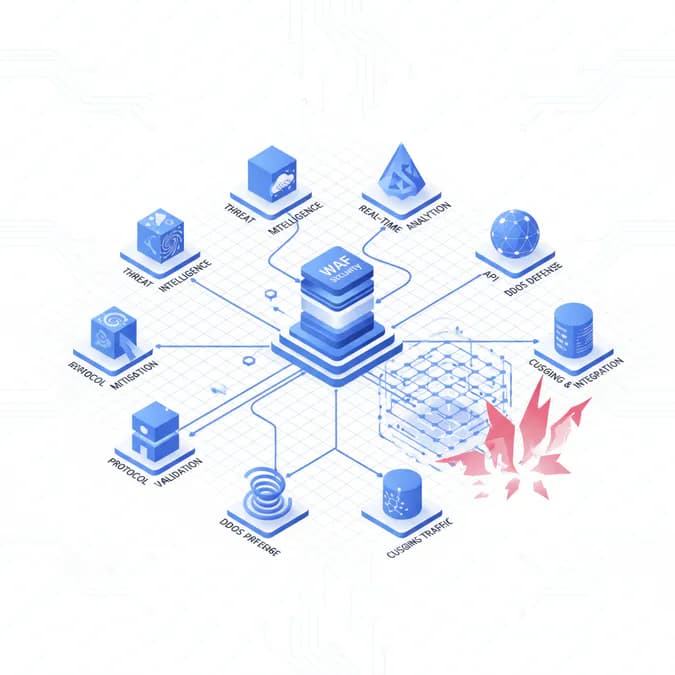
WAF Security: 10 Essential Insights for Reliable Protection
In the ever-evolving landscape of cybersecurity, the significance of Web Application Firewalls (WAFs) has never been more pronounced. As cyber threats escalate, particularly targeting web applications, Generative AI workloads, and APIs, WAFs serve as a critical first line of defense. The 2026 WAF Security Test has unveiled essential insights that underscore the importance of these protective measures in safeguarding digital assets.
Understanding the Role of WAFs
Web Application Firewalls are designed to monitor, filter, and protect HTTP traffic to and from web applications. They act as a shield against various types of attacks, including SQL injection, cross-site scripting (XSS), and other vulnerabilities that can compromise sensitive data. With the increasing reliance on digital platforms, the role of WAFs has expanded, making them indispensable in modern cybersecurity strategies.
Key Findings from the 2026 WAF Security Test
The 2026 WAF Security Test conducted by Check Point has revealed several critical findings that highlight the effectiveness and necessity of WAFs in today’s threat landscape:
- Increased Attack Vectors: The test indicated a significant rise in the number of attack vectors targeting web applications. Cybercriminals are becoming more sophisticated, employing advanced techniques to exploit vulnerabilities.
- Targeting of GenAI Workloads: As Generative AI technologies gain traction, they have emerged as prime targets for cyber threats. The test found that WAFs are crucial in protecting these workloads from potential breaches.
- API Vulnerabilities: APIs have become essential for connecting services and applications, but they also present unique security challenges. The findings emphasized the need for robust WAF solutions that can effectively secure API endpoints against malicious attacks.
- Performance Impact: While WAFs are vital for security, the test also assessed their impact on application performance. It was found that modern WAFs are designed to minimize latency, ensuring that security measures do not hinder user experience.
- Adoption of AI in WAF Technology: The integration of AI and machine learning in WAF solutions has enhanced their ability to detect and respond to threats in real-time, providing a more proactive defense mechanism.
The Importance of WAFs in Cybersecurity
Given the findings from the 2026 WAF Security Test, it is evident that WAFs play a pivotal role in cybersecurity strategies. Here are some reasons why organizations should prioritize the implementation of WAFs:
- Proactive Defense: WAFs provide a proactive approach to security by identifying and mitigating threats before they can cause damage.
- Compliance Requirements: Many industries have regulatory requirements that mandate the protection of sensitive data. WAFs help organizations meet these compliance standards.
- Cost-Effectiveness: Investing in WAF technology can save organizations from the potentially devastating financial impacts of a data breach.
Best Practices for Implementing WAFs
To maximize the effectiveness of WAFs, organizations should consider the following best practices:
- Regular Updates and Maintenance: Keeping WAF solutions updated is crucial to ensure they can defend against the latest threats.
- Custom Rule Sets: Tailoring WAF configurations to the specific needs of the organization can enhance protection against unique threats.
- Continuous Monitoring: Implementing continuous monitoring practices allows organizations to detect and respond to threats in real-time.
- Integration with Other Security Tools: WAFs should be part of a broader security strategy, working in conjunction with other tools such as intrusion detection systems (IDS) and security information and event management (SIEM) solutions.
Key Takeaways
As cyber threats continue to evolve, the findings from the 2026 WAF Security Test highlight the critical importance of Web Application Firewalls in protecting digital assets. Organizations must prioritize the implementation and maintenance of WAF solutions to safeguard against the increasing sophistication of cybercriminals. By adopting best practices and leveraging the latest advancements in WAF technology, businesses can enhance their security posture and ensure the integrity of their web applications, GenAI workloads, and APIs.
In conclusion, the 2026 WAF Security Test serves as a wake-up call for organizations to reevaluate their cybersecurity strategies. With the right tools and practices in place, businesses can effectively defend against the growing tide of cyber threats and secure their digital environments for the future.
Frequently Asked Questions (FAQ)
- What is WAF security?
- WAF security refers to the protection provided by Web Application Firewalls against various cyber threats targeting web applications.
- How does a WAF work?
- A WAF monitors and filters HTTP traffic to and from web applications, blocking malicious requests and allowing legitimate traffic.
- Why are WAFs important for businesses?
- WAFs are crucial for protecting sensitive data, ensuring compliance with regulations, and providing a proactive defense against cyber threats.
Additional Resources
For further reading on WAF security and its importance in cybersecurity, consider visiting authoritative sources such as CISA and NIST for guidelines and best practices.
Additionally, organizations can explore internal resources on WAF security to enhance their understanding and implementation strategies.
To learn more about the impact of WAF security on modern cybersecurity, check out our WAF Security Benefits page for in-depth insights.