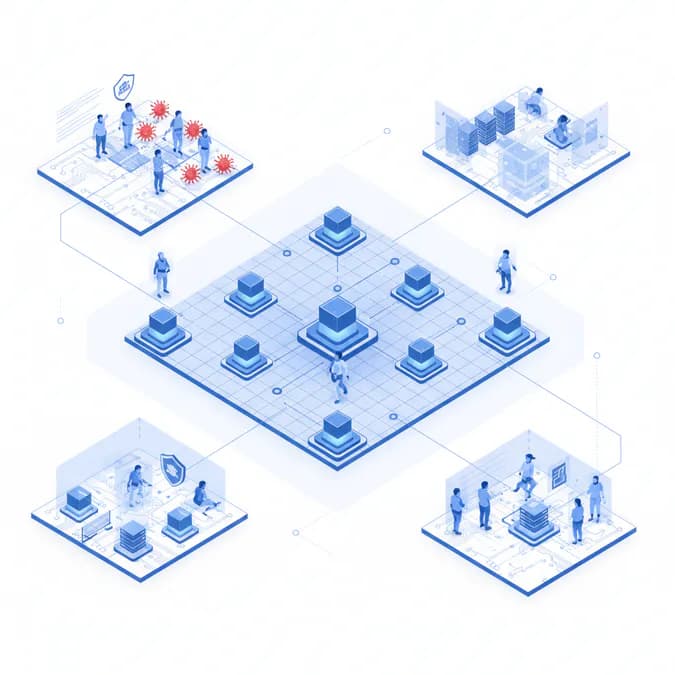
In the rapidly evolving landscape of cybersecurity, the emergence of autonomous AI agents marks a significant turning point. These agents operate at machine speed, tirelessly exploiting vulnerabilities far faster than traditional methods. As a result, security leaders are confronted with a new reality that demands immediate adaptation and strategic foresight.
The Rise of Autonomous AI Agents
Autonomous AI agents have become a game-changer in the cybersecurity domain. Unlike traditional security measures that rely on human intervention and slower response times, these AI systems can analyze vast amounts of data and identify vulnerabilities in real-time. This capability allows them to operate at speeds that far exceed human capabilities, making them formidable adversaries in the cybersecurity landscape.
Implications for Cybersecurity
The implications of this shift are profound. With autonomous AI agents capable of exploiting weaknesses almost instantaneously, organizations face heightened risks. The speed at which these agents can operate means that traditional security protocols may no longer suffice. Cybersecurity incidents can escalate from minor threats to major breaches in a matter of seconds, leaving organizations scrambling to respond.
- Increased vulnerability to attacks due to rapid exploitation of weaknesses.
- Challenges in maintaining effective security measures against AI-driven threats.
- The necessity for continuous monitoring and real-time threat detection.
Strategies for Security Leaders
To effectively combat the challenges posed by autonomous AI agents, security leaders must adopt proactive strategies:
- Invest in Advanced AI Solutions: Organizations should consider integrating AI-driven security solutions that can match the speed and adaptability of autonomous agents.
- Enhance Threat Intelligence: Leveraging threat intelligence platforms can provide insights into emerging threats and vulnerabilities, allowing for quicker responses.
- Continuous Training and Awareness: Regular training for security teams on the latest AI developments and threat landscapes is crucial for maintaining an informed defense.
- Implement Zero Trust Architectures: Adopting a Zero Trust model can help organizations minimize the risk of breaches by ensuring that every access request is verified.
As the cybersecurity landscape continues to evolve with the rise of autonomous AI agents, it is imperative for security leaders to stay ahead of the curve. By understanding the implications of this shift and implementing effective strategies, organizations can better protect themselves against the rapidly changing threat environment.
The emergence of autonomous AI agents represents both a challenge and an opportunity for cybersecurity. By embracing innovative solutions and adapting to this new reality, organizations can fortify their defenses and mitigate risks in an increasingly complex digital world.
Frequently Asked Questions
What are autonomous AI agents?
Autonomous AI agents are advanced systems that operate independently to analyze data and identify vulnerabilities in real-time, significantly enhancing cybersecurity efforts.
How do autonomous AI agents impact cybersecurity?
These agents can exploit vulnerabilities at unprecedented speeds, making traditional security measures less effective and increasing the risk of cyber incidents.
What strategies can organizations implement to counter autonomous AI threats?
Organizations should invest in advanced AI solutions, enhance threat intelligence, provide continuous training, and implement Zero Trust architectures to effectively combat these threats.