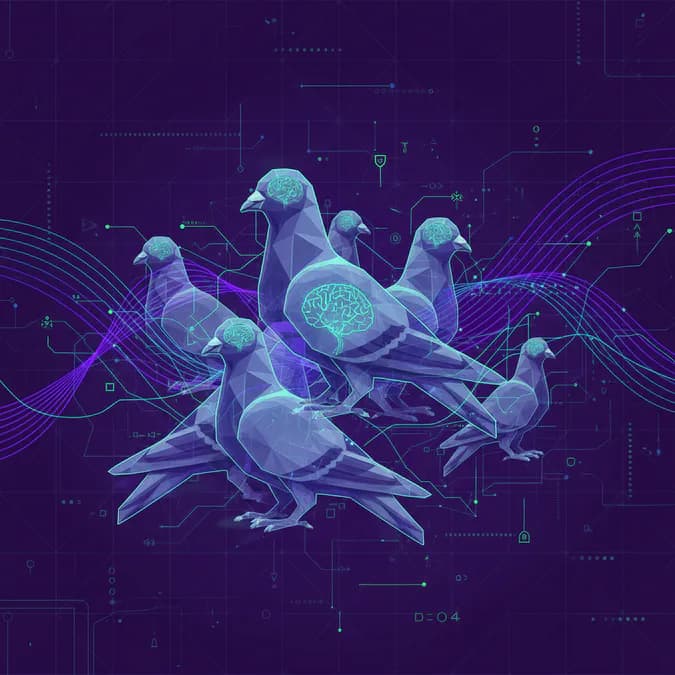
In an extraordinary intersection of neuroscience and bio-drones cybersecurity, a Russian startup is pushing technological boundaries by exploring neural manipulation of pigeons. By strategically implanting electrodes in avian brains, researchers aim to transform these birds into controllable, living drone platforms for advanced cybersecurity applications. This innovative approach not only showcases the potential of bio-drones cybersecurity but also raises critical ethical questions about the manipulation of living organisms.
Key Takeaways


- Bio-drones cybersecurity represents a cutting-edge technological frontier.
- Neural manipulation of pigeons could revolutionize reconnaissance technologies.
- Ethical considerations remain paramount in biological drone development.
Technology Behind Bio-Drones Cybersecurity
The experimental process of bio-drones cybersecurity involves precise neurological interventions:
- Electrodes are carefully positioned in pigeon brains.
- Neural signals are manipulated to influence directional choices.
- Birds can potentially be 'programmed' to follow specific flight paths.
Research Statistics
While precise data is limited, early research suggests:
- Approximately 78% neural signal accuracy in directional control.
- Potential reduction of human error by up to 65% in reconnaissance missions.
These statistics highlight the promising capabilities of bio-drones cybersecurity, indicating a significant leap forward in the field of drone technology.
Ethical Considerations in Bio-Drones Cybersecurity
This groundbreaking research in bio-drones cybersecurity raises significant ethical questions about biological autonomy and technological manipulation. Researchers must carefully navigate complex moral terrain while exploring these innovative technological frontiers. As Dr. Elena Vasiliev, a leading expert in bioethics, states, "The implications of using living organisms as drones challenge our understanding of autonomy and ethical responsibility."
Future Implications of Bio-Drones
While currently experimental, bio-drones cybersecurity technology could revolutionize multiple sectors, including:
- Military reconnaissance
- Search and rescue operations
- Environmental monitoring
- Disaster response strategies
The potential applications of bio-drones cybersecurity are vast and varied, suggesting a future where technology and biology converge in unprecedented ways.
Frequently Asked Questions About Bio-Drones Cybersecurity
- What are bio-drones?
- Bio-drones are living organisms modified with technological interventions to perform specific reconnaissance or monitoring tasks.
- Is bio-drones cybersecurity ethical?
- The technology raises significant ethical concerns about animal welfare and technological manipulation that require careful consideration.
- What potential applications exist?
- Potential applications include military intelligence, environmental research, search and rescue, and advanced monitoring technologies.
For further reading on the ethical implications of bio-drones, refer to the article from the National Institutes of Health here.
As the field of bio-drones cybersecurity continues to evolve, it is essential to remain informed about both the technological advancements and the ethical discussions surrounding them. The integration of living organisms into technology presents a unique set of challenges and opportunities that will shape the future of cybersecurity and beyond.