On January 20, 2026, Cloudflare announced a significant fix for a security vulnerability known as the ACME validation bug, which had the potential to compromise its Automatic Certificate Management Environment (ACME) validation logic. This vulnerability could have allowed attackers to bypass Web Application Firewalls (WAF), posing a serious threat to the security of web applications. In this article, we will delve into the details of the ACME validation bug, its implications for cybersecurity, and the best practices that organizations can adopt to safeguard their systems.
Understanding the ACME Protocol
The Automatic Certificate Management Environment (ACME) protocol is a key component in the process of obtaining and managing SSL/TLS certificates. It automates the verification of domain ownership and the issuance of certificates, making it easier for organizations to secure their web applications. However, any vulnerabilities in this protocol can have far-reaching consequences. Research indicates that vulnerabilities in certificate management can lead to severe security breaches, emphasizing the need for vigilance.
The Vulnerability Explained
The vulnerability identified by Cloudflare, referred to as the ACME validation bug, was related to the validation logic used in the ACME protocol. Specifically, it allowed attackers to exploit weaknesses in the validation process, potentially leading to unauthorized access to sensitive data or the ability to impersonate legitimate services. This type of vulnerability is particularly concerning because it can be exploited without the need for advanced technical skills, making it accessible to a wider range of attackers. Industry experts note that such vulnerabilities can undermine trust in automated certificate management systems, highlighting the importance of robust security measures.
Implications for Cybersecurity
The implications of the ACME validation bug extend beyond just Cloudflare users. Organizations that rely on ACME for certificate management must be aware of the risks associated with such vulnerabilities. The potential for WAF bypass means that attackers could exploit this flaw to gain access to web applications that are otherwise protected by security measures. This situation highlights the need for robust security protocols and constant vigilance to mitigate risks effectively.
Potential Risks
- Data Breaches: Unauthorized access to sensitive data could lead to significant financial and reputational damage, as well as legal repercussions.
- Service Disruption: Attackers could exploit the ACME validation bug to disrupt services, leading to downtime and loss of customer trust, which can be detrimental to business operations.
- Impersonation Attacks: The ability to bypass WAF protections could enable attackers to impersonate legitimate services, increasing the risk of phishing and other social engineering attacks that target unsuspecting users.
Cloudflare's Response
In response to the discovery of the ACME validation bug, Cloudflare acted swiftly to implement a fix. The company has a strong track record of addressing security issues promptly, which is crucial in maintaining trust with its users. The fix not only addresses the immediate vulnerability but also reinforces the overall security of the ACME protocol. This proactive approach is essential for maintaining the integrity of web security and ensuring that users can rely on secure certificate management.
Best Practices for Organizations
To mitigate the risks associated with vulnerabilities like the ACME validation bug, organizations should adopt the following best practices:
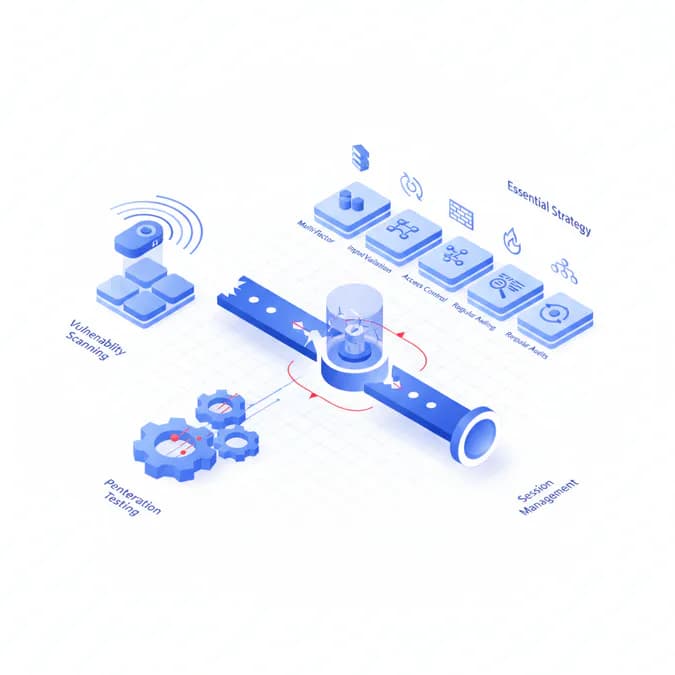
- Regular Security Audits: Conduct regular audits of your security infrastructure to identify and address potential vulnerabilities, ensuring that your systems remain secure against emerging threats.
- Stay Updated: Ensure that your systems and software are always up to date with the latest security patches and updates, as outdated software can be a significant security risk.
- Implement Multi-Factor Authentication: Use multi-factor authentication (MFA) to add an additional layer of security to your systems, making it more difficult for unauthorized users to gain access.
- Monitor Logs: Regularly monitor logs for unusual activity that could indicate an attempted breach, allowing for quick responses to potential threats.
- Educate Employees: Provide training for employees on recognizing phishing attempts and other social engineering tactics, as human error is often a weak point in security.
The Bottom Line
The recent vulnerability in Cloudflare's ACME validation logic serves as a stark reminder of the importance of robust cybersecurity measures. As organizations increasingly rely on automated systems for certificate management, the potential risks associated with vulnerabilities like the ACME validation bug must not be overlooked. By staying informed and adopting best practices, organizations can enhance their security posture and protect against potential threats. It is crucial to recognize that cybersecurity is an ongoing process that requires continuous improvement and adaptation to new challenges.
Conclusion
In conclusion, the fix implemented by Cloudflare for the ACME validation bug is a crucial step in safeguarding the security of web applications that utilize the ACME protocol. As the cybersecurity landscape continues to evolve, organizations must remain vigilant and proactive in addressing potential vulnerabilities. By understanding the implications of such vulnerabilities and implementing best practices, businesses can better protect themselves against the ever-present threat of cyberattacks.
Key Takeaways
- Cloudflare's fix for the ACME validation bug is essential for maintaining web application security.
- Organizations must adopt best practices to mitigate risks associated with vulnerabilities.
- Staying informed about cybersecurity threats is crucial for protecting sensitive data.
Frequently Asked Questions (FAQ)
What is the ACME validation bug?
The ACME validation bug is a security vulnerability in the ACME protocol that could allow attackers to bypass security measures, posing risks to web applications.
How did Cloudflare respond to the ACME validation bug?
Cloudflare implemented a fix promptly to address the vulnerability and reinforce the security of the ACME protocol.
What best practices should organizations follow to mitigate risks?
Organizations should conduct regular security audits, keep systems updated, implement multi-factor authentication, monitor logs, and educate employees on security awareness.
Table of Contents
- Understanding the ACME Protocol
- The Vulnerability Explained
- Implications for Cybersecurity
- Potential Risks
- Cloudflare's Response
- Best Practices for Organizations
- The Bottom Line
- Conclusion
- Key Takeaways
- Frequently Asked Questions (FAQ)
For further reading on cybersecurity best practices, consider visiting authoritative sources such as CISA or NIST, which provide comprehensive guidelines and resources.