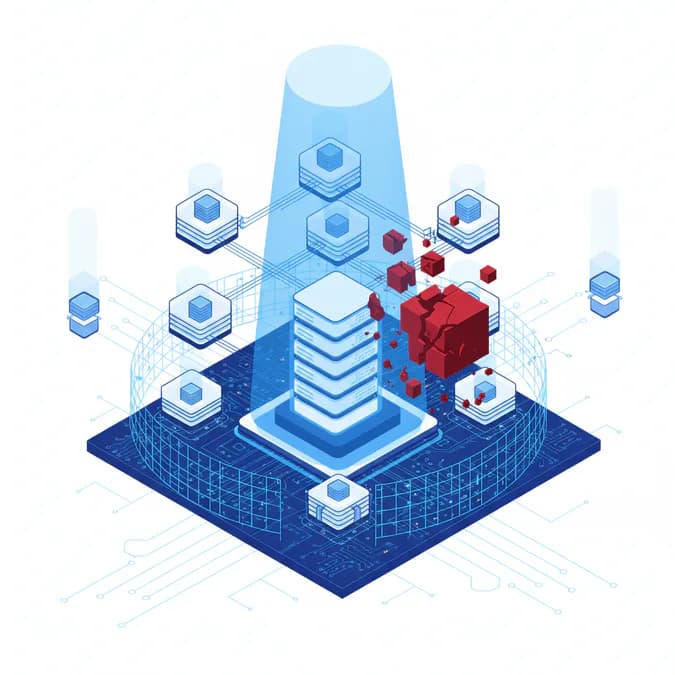
Introduction to Cybersecurity
Understanding cybersecurity is essential in a world where digital threats are increasingly sophisticated. Cybersecurity refers to the measures taken to protect computer systems, networks, and data from unauthorized access, damage, or theft. The current landscape of threats is alarming; organizations are not only facing traditional forms of cybercrime but also more advanced tactics that exploit vulnerabilities in technology. With the rise of remote work and cloud computing, the attack surface has expanded, making it imperative for businesses to adopt robust cybersecurity measures.
The importance of cybersecurity today cannot be overstated. As cybercriminals evolve their tactics, organizations must stay ahead of the curve to protect sensitive information and maintain trust with customers. In 2026, the cybersecurity landscape is characterized by a significant decline in traditional ransomware attacks—down by 38%—yet the threat remains prevalent through new methods of data extortion and AI-enhanced phishing. This duality highlights the necessity for continuous vigilance and adaptation in cybersecurity strategies.
Understanding Ransomware
What is Ransomware?
Ransomware is a type of malicious software that encrypts a victim's files, rendering them inaccessible until a ransom is paid to the attacker. This form of cyber extortion has gained notoriety for its devastating impact on individuals and organizations alike. Ransomware attacks can lead to significant financial losses, operational disruptions, and reputational damage.
The Evolution of Ransomware Attacks
Despite a notable decline in traditional ransomware incidents, the evolution of these attacks is concerning. Recent statistics indicate a 38% decrease in ransomware attacks, suggesting that cybercriminals are shifting their focus to more sophisticated methods. For instance, instead of merely encrypting files, attackers are increasingly engaging in data theft and extortion tactics that bypass multi-factor authentication (MFA). This evolution is indicative of a broader trend where cybercriminals are leveraging advanced technologies to enhance their attack strategies.
Recent examples of ransomware attacks demonstrate this shift. High-profile incidents have shown that attackers are not only targeting large corporations but also small businesses and public institutions, exploiting vulnerabilities across various sectors. As ransomware continues to evolve, organizations must remain vigilant and proactive in their cybersecurity measures.
Current Cybersecurity Threats
Emerging Threats in Cybersecurity
The cybersecurity landscape is rife with emerging threats that require immediate attention. One alarming statistic reveals that there are approximately 1.1 million malicious files circulating, highlighting the ongoing high volume of threats despite the decline in ransomware incidents. These malicious files can include various forms of malware, phishing attempts, and other cyber threats that can compromise sensitive data.
The Role of AI in Cyber Threats
Artificial Intelligence (AI) is playing a dual role in the cybersecurity landscape. On one hand, it is being used by cybercriminals to enhance their attack capabilities, enabling them to automate phishing campaigns and develop more sophisticated malware. On the other hand, AI is also being harnessed by cybersecurity professionals to bolster defenses. AI-driven tools can analyze vast amounts of data to identify patterns and anomalies, allowing organizations to respond to threats more effectively.
The integration of AI into cybersecurity strategies is crucial as it helps organizations stay ahead of emerging threats. As cybercriminals continue to evolve their tactics, leveraging AI for both offense and defense will be a key factor in maintaining robust cybersecurity.
Protective Measures Against Cyber Threats
Best Practices for Cybersecurity
Implementing best practices for cybersecurity is essential for organizations looking to safeguard their data and systems. One of the most effective measures is educating employees about cybersecurity awareness. Training staff on phishing tactics and safe online practices can significantly reduce the risk of ransomware infiltration. Organizations should conduct regular training sessions and simulations to ensure that employees are equipped to recognize and respond to potential threats.
Educating Employees on Cyber Awareness
Employee education is a cornerstone of effective cybersecurity. By fostering a culture of cybersecurity awareness, organizations can empower their staff to act as the first line of defense against cyber threats. This includes understanding the importance of strong passwords, recognizing phishing emails, and knowing how to report suspicious activity. Effective cybersecurity policies should also be in place to guide employees on best practices and protocols to follow in the event of a cyber incident.
Technology's Role in Cybersecurity
WAF Technology and Its Importance
Web Application Firewalls (WAF) are critical components of modern cybersecurity strategies. WAF technology helps protect web applications by filtering and monitoring HTTP traffic between a web application and the Internet. By analyzing incoming traffic, WAFs can identify and block malicious requests, thereby preventing attacks such as SQL injection and cross-site scripting.
Vulnerability Analysis Tools
In addition to WAF technology, vulnerability analysis tools play a vital role in identifying and mitigating potential security weaknesses within an organization. These tools scan systems and applications for known vulnerabilities, allowing organizations to address issues before they can be exploited by cybercriminals. Regular vulnerability assessments are essential for maintaining a strong security posture and ensuring that defenses are up to date.
The Future of Cybersecurity
Predictions for Cybersecurity Trends
As we look to the future, several trends are expected to shape the cybersecurity landscape. The integration of AI and machine learning will continue to evolve, providing organizations with advanced tools to combat cyber threats. Additionally, the shift towards identity-centric security will become more pronounced, focusing on securing user identities and access controls to prevent unauthorized access.
Preparing for Future Threats
Organizations must prepare for future threats by adopting a proactive approach to cybersecurity. This includes investing in advanced technologies, conducting regular security assessments, and fostering a culture of cybersecurity awareness among employees. As cyber threats become increasingly sophisticated, organizations that prioritize cybersecurity will be better positioned to mitigate risks and protect their assets.
Conclusion
Recap of Key Points
In summary, cybersecurity is an essential aspect of modern business operations. The evolving landscape of threats, including ransomware and emerging cyber risks, underscores the need for organizations to implement robust protective measures. By educating employees, leveraging technology, and staying informed about current trends, organizations can enhance their cybersecurity posture.
Call to Action for Cybersecurity
As cyber threats continue to evolve, it is crucial for organizations to take action now. Implementing effective cybersecurity strategies and fostering a culture of awareness can significantly reduce the risk of cyber incidents. Organizations must prioritize cybersecurity to safeguard their data, maintain customer trust, and ensure business continuity.