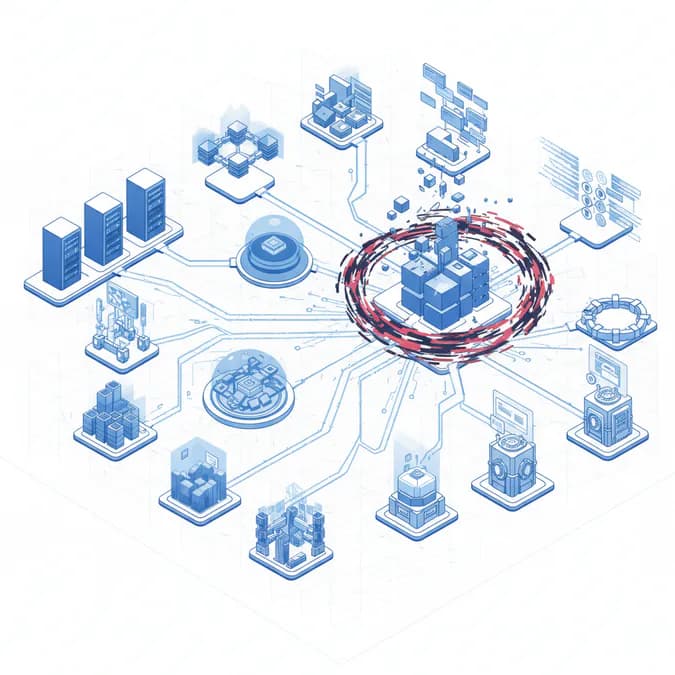
Introduction to Web Application Firewalls
Web Application Firewalls (WAFs) are essential tools in the cybersecurity landscape, designed to monitor, filter, and block HTTP traffic to and from web applications. They protect against common exploits such as SQL injection, cross-site scripting (XSS), and DDoS attacks, which are detailed in the OWASP Top 10. As cyber threats evolve, the adoption of web application firewalls h

"Web application firewalls represent the first line of defense in modern cybersecurity strategies," says Dr. Elena Rodriguez, Cybersecurity Research Director at Stanford University's Cyber Policy Institute.
In an era where digital threats are becoming more sophisticated, implementing a robust web application firewall is not just advisable but essential for any organization that relies on web applications.
Top Web Application Firewalls Reviewed
Here are some of the leading web application firewall solutions available, each with unique strengths and deployment options:
- Fortinet FortiWeb: Known for its AI-driven features and multi-layered protection, FortiWeb has a Security Quality True Positive Rate of 68.971% in SaaS deployments. This WAF excels in providing comprehensive security and performance.
- Cloudflare WAF: Offers unmetered DDoS protection even on free tiers, with an overall mitigation rate of 86-87%. Cloudflare's WAF is popular for its ease of use and integration with existing systems.
- Imperva WAF: A robust solution with a default performance of 11.97% in real-world tests, focusing on comprehensive threat protection. Imperva is known for its strong analytics and reporting capabilities.
- F5 BIG-IP Advanced WAF: Integrates bot management and zero-day protection, ensuring high availability and reliability. F5's solution is tailored for large enterprises needing advanced security features.
- Barracuda WAF: Achieved the highest injection mitigation rate of 91%, reflecting its focus on low-latency detection and detailed threat analytics. Barracuda's WAF is particularly effective for businesses with high traffic volumes.
Each of these web application firewalls offers unique features tailored to different organizational needs, ensuring that businesses can find a solution that fits their specific security requirements.
Importance of Cybersecurity
As applications increasingly migrate to cloud and microservices architectures, the role of web application firewalls becomes even more critical. They not only protect against traditional threats but also support DevSecOps practices, automated rule tuning, and edge computing for low-latency defense. The integration of web application firewalls into an organization's security strategy is vital for maintaining the integrity and confidentiality of sensitive data.
In addition to traditional threats, web application firewalls help mitigate risks associated with emerging technologies and practices, such as API security and microservices. Organizations that prioritize the implementation of web application firewalls are better positioned to defend against evolving cyber threats.
Key Takeaways
- Web application firewalls are crucial for protecting digital assets against evolving cyber threats.
- Different WAF solutions offer unique features tailored to specific organizational needs.
- Continuous monitoring and adaptive protection are essential in modern cybersecurity strategies.
- The integration of web application firewalls supports compliance with industry regulations and standards.
Frequently Asked Questions
What are web application firewalls?
Web application firewalls are security tools designed to monitor, filter, and block potentially malicious HTTP traffic to web applications. They serve as a barrier between web applications and the internet, helping to prevent attacks.
How do web application firewalls work?
WAFs analyze incoming web traffic, detect potential security threats using predefined or machine learning-based rules, and block or challenge suspicious requests. This proactive approach helps organizations maintain secure web applications.
Why are web application firewalls important?
Web application firewalls protect against sophisticated cyber threats like SQL injection, cross-site scripting, and DDoS attacks that can compromise application security. By implementing a WAF, organizations can significantly reduce their risk of data breaches and maintain customer trust.
Where can I find more information on web application firewalls?
For further reading, consider visiting authoritative sources such as the OWASP Foundation or NIST for comprehensive guidelines and best practices in web application security.