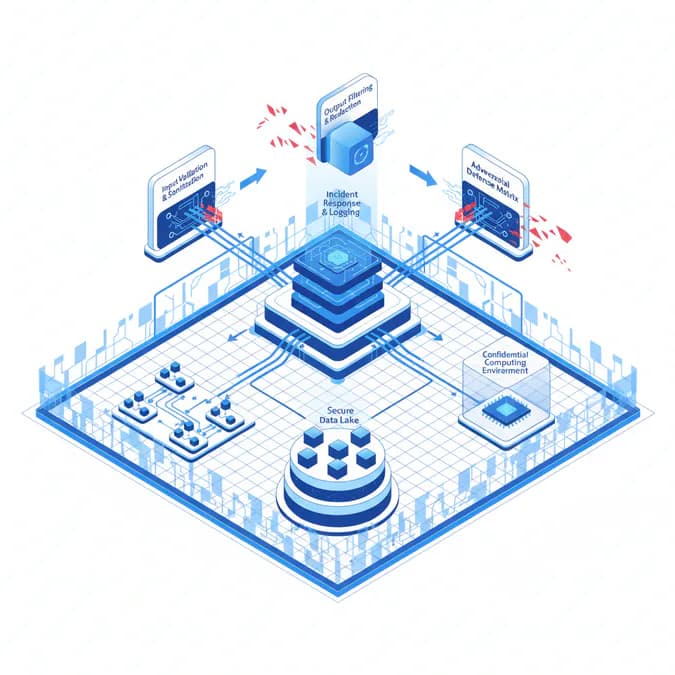
The cybersecurity landscape continues to evolve rapidly as generative AI and agentic AI systems become increasingly prevalent in enterprise environments. To help security professionals, researchers, and developers better understand and mitigate risks associated with these emerging technologies, a new resource has been added to the Python Package Index (PyPI): a curated GenAI security incidents dataset.
This dataset represents a significant step forward in AI security research and incident management. By aggregating real-world security incidents involving generative AI and agentic AI systems, the resource provides valuable insights into the types of vulnerabilities, attack vectors, and failure modes that organizations should be aware of when deploying these technologies.
Understanding the GenAI Incidents Dataset
The genai-incidents dataset is specifically designed to map security incidents to multiple established security frameworks and standards. This multi-framework approach ensures that security teams can reference incidents using the classification systems they're already familiar with, making the dataset more practical and actionable across different organizational contexts.
The dataset includes mappings to four major security frameworks:
- OWASP LLM Top 10: This framework identifies the ten most critical security risks specific to large language models. By mapping incidents to these categories, the dataset helps organizations understand which LLM vulnerabilities are being actively exploited in the wild.
- OWASP Agentic Top 10: As AI agents become more autonomous and capable of taking actions in real-world systems, a new set of security concerns has emerged. This framework addresses the unique risks posed by agentic AI systems that can operate independently or with minimal human oversight.
- NIST AI Risk Management Framework (AI RMF): The National Institute of Standards and Technology's AI RMF provides a comprehensive approach to managing risks throughout the AI lifecycle. Mapping incidents to this framework helps organizations align their AI security practices with government-backed standards.
- MITRE ATLAS: The MITRE Adversarial Tactics, Techniques and Common Knowledge (ATLAS) framework for AI systems provides a structured taxonomy of adversarial techniques targeting machine learning systems. This mapping helps security teams understand the specific tactics and techniques being used in real attacks.
Why GenAI Security Incidents Matter
The availability of a curated, well-organized dataset of GenAI security incidents addresses a critical gap in the cybersecurity community. As organizations rapidly adopt generative AI technologies, security teams often lack concrete examples of how these systems can fail or be compromised. This dataset changes that dynamic by providing:
- Real-World Context: Rather than relying solely on theoretical vulnerabilities, security professionals can examine actual incidents and understand how they unfolded in practice.
- Framework Alignment: By mapping incidents to established security frameworks, the dataset makes it easier for organizations to integrate this knowledge into their existing security programs and risk management processes.
- Research Foundation: Security researchers can use this dataset to identify patterns, trends, and emerging threats in the GenAI security landscape.
- Educational Value: Development teams and security professionals can learn from documented incidents to avoid similar mistakes in their own implementations.
The Growing Need for GenAI Security Resources
The rapid proliferation of generative AI tools and applications has outpaced the development of comprehensive security guidance. Organizations are deploying large language models, AI agents, and other generative AI systems without always having a clear understanding of the security implications. This creates an environment where incidents are likely to occur, and learning from those incidents becomes crucial.
The genai-incidents dataset helps fill this knowledge gap by providing a centralized repository of documented security issues. This is particularly important because:
- GenAI systems introduce novel attack surfaces that traditional cybersecurity approaches may not adequately address. Prompt injection attacks, data poisoning, model extraction, and other AI-specific threats require specialized knowledge.
- Agentic AI systems add another layer of complexity by introducing autonomous decision-making and action-taking capabilities. Understanding how these systems can be manipulated or compromised is essential before deploying them in critical environments.
- The regulatory landscape around AI is evolving rapidly, with frameworks like the EU AI Act and various national AI regulations emerging. Organizations need to understand security incidents to demonstrate due diligence and compliance with these emerging requirements.
Integrating the Dataset Into Security Programs
Security teams looking to leverage the genai-incidents dataset can incorporate it into their programs in several ways:
- Threat Modeling: Use documented incidents to inform threat models for GenAI systems being developed or deployed within the organization.
- Vulnerability Assessment: Reference the dataset when conducting security assessments of large language models and AI agents to ensure comprehensive coverage of known attack vectors.
- Incident Response Planning: Study past incidents to develop more effective incident response procedures specific to GenAI systems.
- Security Training: Use real-world examples from the dataset to train development teams and security staff on GenAI-specific security concerns.
- Risk Management: Incorporate insights from the dataset into risk assessments and risk management strategies for AI initiatives.
- Framework Compliance: Use the framework mappings to demonstrate how your organization is addressing risks identified in OWASP, NIST, and MITRE frameworks.
The Broader Context of AI Security
The release of the genai-incidents dataset comes at a critical moment in the evolution of AI security. As generative AI moves from experimental technology to production systems handling sensitive data and critical functions, the need for robust security practices becomes increasingly urgent.
Security frameworks like OWASP LLM Top 10 and OWASP Agentic Top 10 represent the cybersecurity community's effort to establish baseline security standards for AI systems. The genai-incidents dataset provides the empirical foundation for these frameworks by documenting real-world examples of the risks they identify.
Similarly, NIST's AI Risk Management Framework and MITRE ATLAS provide structured approaches to understanding and managing AI security risks. The dataset's mappings to these frameworks help organizations understand how documented incidents relate to these broader risk management and adversarial tactic frameworks.
Moving Forward with GenAI Security
The availability of the genai-incidents dataset on PyPI represents progress in making AI security knowledge more accessible and actionable. However, it's important to recognize that this is just one piece of a larger puzzle. Comprehensive GenAI security requires:
- Continuous Updates: As new incidents occur and new vulnerabilities are discovered, the dataset will need to be regularly updated to remain relevant.
- Community Contribution: The security community should contribute new incidents and insights to keep the dataset comprehensive and current.
- Integration with Tools: Security tools and platforms should integrate with this dataset to provide automated risk assessment and incident correlation.
- Organizational Adoption: Security teams need to actively incorporate insights from the dataset into their security programs and practices.
- Ongoing Research: Researchers should use the dataset to identify patterns and develop new detection and prevention techniques.
Key Takeaways
The genai-incidents dataset now available on PyPI provides a valuable resource for understanding real-world security incidents involving generative AI and agentic AI systems. By mapping incidents to established frameworks like OWASP LLM Top 10, OWASP Agentic Top 10, NIST AI RMF, and MITRE ATLAS, the dataset makes this knowledge accessible and actionable for security professionals across different organizational contexts.
As organizations continue to adopt generative AI technologies, having access to curated incident data becomes increasingly important for threat modeling, vulnerability assessment, incident response planning, and overall risk management. Security teams should explore this resource and consider how it can be integrated into their existing security programs to better protect their AI systems and the data they process.
FAQs about GenAI Security Incidents
What are GenAI security incidents?
GenAI security incidents refer to real-world breaches or vulnerabilities associated with generative AI and agentic AI systems.
How can the dataset help organizations?
The dataset provides insights into vulnerabilities and attack vectors, helping organizations enhance their security measures.
Why is it important to map incidents to security frameworks?
Mapping incidents to established frameworks allows organizations to align their security practices with recognized standards, making it easier to manage risks.
How often is the GenAI incidents dataset updated?
The dataset is intended to be continuously updated as new incidents and vulnerabilities are discovered.
Can researchers contribute to the dataset?
Yes, contributions from the security community are encouraged to keep the dataset comprehensive and current.
For further reading, consider exploring resources from NIST and OWASP for authoritative insights into AI security practices.