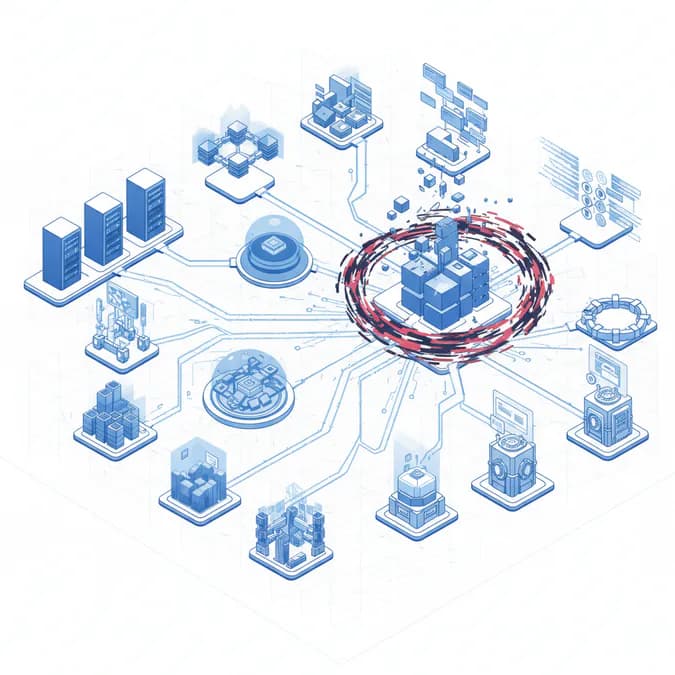
Introduction to Gunra Ransomware
The Gunra ransomware group has gained notoriety for its sophisticated attacks targeting various sectors, including healthcare, finance, and critical infrastructure. Ransomware groups like Gunra leverage advanced techniques to encrypt data and demand ransom payments, often in cryptocurrencies, making it challenging for victims to recover their data without complying with the attackers' demands.
CloudSEK's Research Methodology
CloudSEK, a cybersecurity firm known for its threat intelligence solutions, recently shared insights from its infiltration of the Gunra ransomware group. The researchers employed a combination of open-source intelligence (OSINT) and advanced analytics to penetrate the group's operations. This approach allowed them to gather crucial information about the group's tactics, techniques, and procedures (TTPs).
Threat Intelligence Findings
The investigation revealed several alarming findings regarding the Gunra ransomware group's operations:
- The group utilizes a multi-layered approach to attack, often combining phishing campaigns with exploit kits to gain initial access.
- Gunra has been observed using custom-built ransomware that includes features to evade detection by traditional security measures.
- Victims reported that the group often threatens to leak sensitive data if the ransom is not paid, adding pressure on organizations to comply.
Cybersecurity Implications
The findings from CloudSEK's research highlight the evolving nature of ransomware threats. As groups like Gunra become more sophisticated, organizations must adapt their cybersecurity strategies accordingly. The implications of these findings are significant:
- Organizations must prioritize threat intelligence to stay ahead of emerging threats.
- Investing in advanced security solutions that incorporate behavioral analytics can help detect anomalies indicative of ransomware attacks.
- Employee training on recognizing phishing attempts is crucial to prevent initial breaches.
Mitigation Strategies
To combat the threat posed by the Gunra ransomware group and similar entities, organizations should consider implementing the following mitigation strategies:
- Regular Backups: Ensure that data is backed up regularly and stored securely offline to facilitate recovery without paying ransoms.
- Incident Response Plan: Develop and maintain an incident response plan that outlines steps to take in the event of a ransomware attack.
- Security Awareness Training: Conduct regular training sessions for employees to recognize and respond to phishing attempts and other social engineering tactics.
- Update Software: Keep all software and systems updated to protect against vulnerabilities that ransomware groups may exploit.
In conclusion, the insights gained from CloudSEK's research into the Gunra ransomware group underscore the importance of proactive cybersecurity measures. By understanding the tactics employed by such groups and implementing robust security strategies, organizations can better protect themselves against the growing threat of ransomware.