Table of Contents

- Understanding Malicious Rust Crates and Supply Chain Threats
- Understanding the Attack Vector
- Identified Malicious Packages
- How the Attack Works
- Supply Chain Attack Implications
- Risks to Development Teams
- Detection and Response Strategies
- Best Practices for Prevention
- The Broader Context
- Key Takeaways
- Frequently Asked Questions (FAQ)
Understanding Malicious Rust Crates and Supply Chain Threats
Cybersecurity researchers have identified a sophisticated supply chain attack targeting developers through malicious Rust crates published on crates.io. Five deceptive packages masquerading as legitimate time-related utilities have been discovered attempting to exfiltrate sensitive environment files and developer credentials from CI/CD pipe
Understanding the Attack Vector
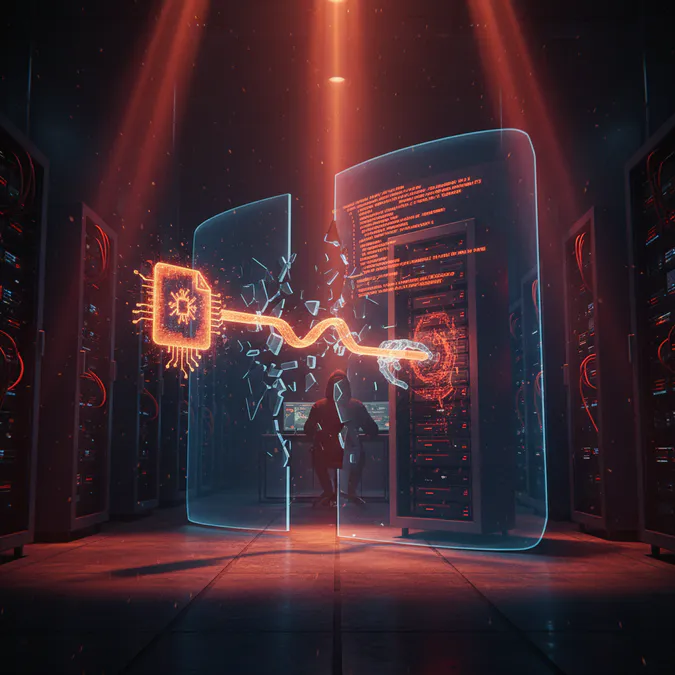
The malicious Rust crates represent a growing threat to software development supply chains. These packages were designed with names that closely resemble legitimate time-handling libraries, making them difficult to distinguish from genuine tools. By exploiting the trust developers place in open-source repositories, threat actors have created a pathway to compromise development environments at scale.
The attack methodology involves publishing seemingly innocent packages to crates.io, the official Rust package registry. Once developers unknowingly include these packages in their projects, the malicious code executes during the build process, targeting .env files that typically contain sensitive information such as API keys, database credentials, and authentication tokens.
Identified Malicious Packages
The discovered malicious Rust crates include:
- chrono_anchor
- dnp3times
- time_calibra
- Two additional packages with similar naming conventions
These packages were specifically engineered to blend in with legitimate time-related libraries. The naming strategy is particularly insidious because developers searching for time utilities might easily confuse these malicious packages with established, trustworthy alternatives.
How the Attack Works
The attack chain begins when a developer adds one of these malicious crates to their project dependencies. During the build process, the package executes code that searches for and exfiltrates .env files. These environment files are critical in development workflows, as they store configuration data and secrets needed for local testing and deployment.
Once the malicious code identifies .env files, it transmits this data to threat actor-controlled servers. This gives attackers direct access to sensitive credentials, API keys, and other confidential information that could be used for further compromise of production systems, cloud infrastructure, or third-party services.
The timing of this attack is particularly concerning because it occurs within CI/CD pipelines—the automated systems that build, test, and deploy applications. Compromising the CI/CD pipeline gives attackers a central point of leverage to inject malicious code into production applications or steal secrets at scale.
Supply Chain Attack Implications
This incident highlights the broader vulnerability of software supply chains. The Rust ecosystem, while generally well-maintained, is not immune to malicious actors. With thousands of packages available on crates.io, maintaining perfect security is challenging. Threat actors exploit this scale by publishing packages that are difficult to distinguish from legitimate alternatives.
Supply chain attacks have become increasingly sophisticated and prevalent. Unlike traditional malware that targets end users, supply chain attacks compromise the tools and libraries that developers rely on, creating a cascading effect where a single compromised package can affect thousands of downstream projects.
The attack also demonstrates the importance of securing CI/CD pipelines, which have become high-value targets for sophisticated threat actors. These pipelines often have broad access to production systems, cloud infrastructure, and sensitive data.
Risks to Development Teams
Developers and organizations face several significant risks from malicious Rust crates:
- Credential Theft: Stolen .env files expose API keys, database passwords, and authentication tokens that can be used to compromise production systems.
- Cloud Infrastructure Access: Many .env files contain cloud provider credentials (AWS, Azure, GCP), giving attackers direct access to cloud resources.
- Third-Party Service Compromise: Stolen API keys for third-party services can be used to access or manipulate external systems integrated with the application.
- Lateral Movement: Compromised credentials enable attackers to move laterally within an organization's infrastructure.
- Data Breach: Access to database credentials allows attackers to exfiltrate sensitive business data.
- Supply Chain Propagation: If the compromised project is itself a library or tool used by other projects, the attack can propagate further downstream.
Detection and Response Strategies
Organizations should implement several measures to detect and respond to malicious package incidents:
Dependency Auditing: Regularly audit project dependencies using tools like cargo-audit, which can identify known vulnerabilities and malicious packages in Rust projects.
Package Verification: Before adding new dependencies, verify the package's reputation, download statistics, and community feedback. Check the package's GitHub repository and maintainer history.
Network Monitoring: Monitor outbound network connections from build systems to detect suspicious data exfiltration attempts.
Secret Management: Use dedicated secret management solutions rather than storing secrets in .env files. Tools like HashiCorp Vault, AWS Secrets Manager, or Azure Key Vault provide better security controls.
Build Environment Isolation: Isolate CI/CD build environments from production systems and limit their network access.
Code Review: Implement mandatory code review processes for dependency updates, even for minor version changes.
Best Practices for Prevention
Developers and security teams should adopt several best practices to mitigate supply chain risks:
- Minimize Dependencies: Reduce the number of external dependencies in projects. Each dependency increases the attack surface.
- Pin Versions: Use exact version pinning in dependency manifests rather than allowing automatic updates to minor or patch versions.
- Use Private Registries: For organizations with sensitive projects, consider using private package registries that provide additional control and visibility.
- Implement Software Bill of Materials (SBOM): Maintain detailed records of all dependencies and their versions to quickly identify affected projects if a vulnerability is discovered.
- Regular Security Scanning: Implement automated security scanning tools that analyze dependencies for known vulnerabilities and suspicious patterns.
- Developer Education: Train developers on supply chain security risks and best practices for evaluating third-party packages.
- Zero-Trust Approach: Assume that any external package could be malicious and implement security controls accordingly.
The Broader Context
This incident is part of a larger trend of supply chain attacks targeting open-source ecosystems. Similar attacks have been discovered in Python (PyPI), JavaScript (npm), and other package repositories. The accessibility and trust placed in open-source software make these ecosystems attractive targets for threat actors.
The Rust community has responded by improving security measures on crates.io, including enhanced package review processes and better detection mechanisms. However, the fundamental challenge remains: balancing the openness and accessibility of open-source software with security requirements.
Organizations must recognize that supply chain security is not solely the responsibility of package maintainers. Developers, security teams, and organizations all play critical roles in identifying and mitigating these threats.
Key Takeaways
Malicious Rust crates represent a significant threat to development environments and CI/CD pipelines. The sophistication of these attacks—using naming conventions that mimic legitimate packages—demonstrates the evolving tactics of threat actors targeting software supply chains.
Organizations should implement comprehensive dependency management strategies, including regular auditing, version pinning, and secret management best practices. Additionally, monitoring build systems for suspicious activity and maintaining detailed records of all dependencies can help detect and respond to supply chain compromises quickly.
As open-source software continues to be a critical component of modern software development, security must remain a top priority for both maintainers and consumers of these packages. By adopting a zero-trust approach to external dependencies and implementing robust security controls, organizations can significantly reduce their exposure to supply chain attacks.
Frequently Asked Questions (FAQ)
1. What are malicious Rust crates?
Malicious Rust crates are deceptive packages published on crates.io that aim to steal sensitive information from developers' environments.
2. How can I detect malicious Rust crates?
Use dependency auditing tools like cargo-audit, verify package reputations, and monitor network connections for suspicious activity.
3. What should I do if I suspect a malicious crate?
Remove the crate from your project, audit your dependencies, and review your security practices to prevent future incidents.
4. How can I protect my CI/CD pipelines?
Implement isolation, regular audits, and use secret management solutions to protect sensitive data within your CI/CD processes.
5. Are there any best practices for using open-source packages?
Minimize dependencies, pin versions, and maintain a Software Bill of Materials (SBOM) to track all dependencies and their versions.