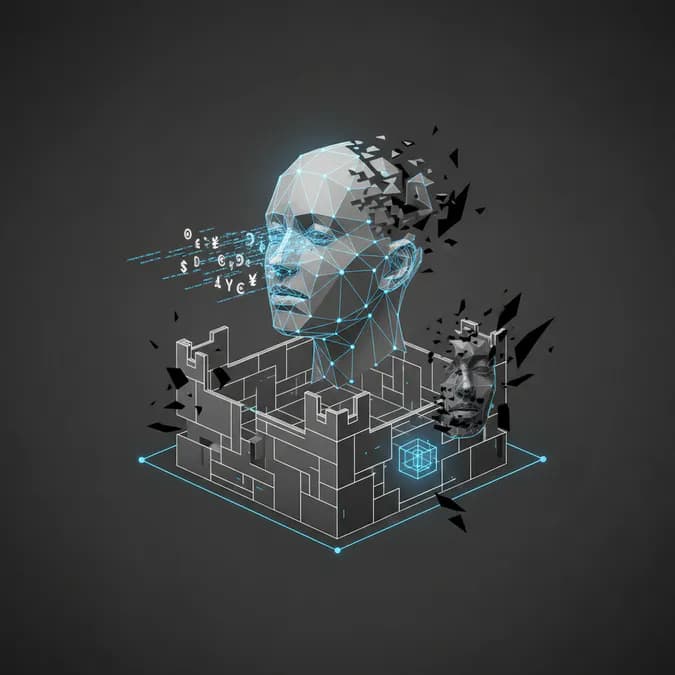
In a recent report, Google's cybersecurity division, Mandiant, has issued a stark warning about the evolving tactics of North Korean hackers. These cybercriminals are now utilizing AI-generated deepfakes to enhance their attacks, particularly focusing on the digital currency and decentralized finance (DeFi) sectors. This development signifies a concerning trend in the landscape of cybersecurity, where traditional defenses may be insufficient against such sophisticated threats.
Overview of AI Deepfakes
AI deepfakes are synthetic media where a person in an existing image or video is replaced with someone else's likeness. This technology has advanced significantly, making it increasingly difficult to distinguish between real and fake content. Cybercriminals can exploit deepfakes to impersonate individuals, manipulate information, and deceive targets into divulging sensitive data. The implications for cybersecurity are profound, as these tactics can undermine trust in digital communications.
Cybersecurity Threats from North Korean Hackers
North Korea has long been recognized as a significant player in the realm of cybercrime, with a history of sophisticated attacks aimed at financial institutions and critical infrastructure. The country's state-sponsored hackers, often linked to groups like Lazarus, have evolved their strategies to include advanced technologies such as AI deepfakes. According to Mandiant, these hackers are increasingly targeting the cryptocurrency sector, which is perceived as a lucrative avenue for theft and disruption.
Impact on Digital Currency and DeFi
The rise of AI deepfakes poses a unique threat to the digital currency and DeFi sectors. As these markets grow, they attract not only legitimate investors but also malicious actors looking to exploit vulnerabilities. The use of deepfakes can lead to:
- Impersonation of key figures in the cryptocurrency space, leading to fraudulent transactions.
- Manipulation of market perceptions through fake announcements or endorsements.
- Increased difficulty in verifying the authenticity of communications, which can erode trust in digital platforms.
As noted by CoinGeek, the implications of these tactics are far-reaching, potentially destabilizing the entire ecosystem of digital currencies.
Key Takeaways
The emergence of AI deepfakes as a tool for cybercriminals, particularly North Korean hackers, underscores the need for enhanced cybersecurity measures. Organizations involved in digital currency and DeFi must remain vigilant and adopt robust security protocols to protect against these sophisticated threats. As the landscape of cyber threats evolves, so too must our strategies for defense.
FAQ
What are AI deepfakes?
AI deepfakes are synthetic media created using artificial intelligence, where a person's likeness is swapped in images or videos, making it hard to identify the original content.
How do North Korean hackers use AI deepfakes?
North Korean hackers utilize AI deepfakes to impersonate individuals, manipulate information, and conduct fraudulent activities in the cryptocurrency sector.
What can organizations do to protect against these threats?
Organizations should adopt robust cybersecurity measures, including employee training, advanced verification processes, and monitoring for suspicious activities to mitigate risks from AI deepfakes.
Conclusion
The emergence of AI deepfakes as a tool for cybercriminals, particularly North Korean hackers, underscores the need for enhanced cybersecurity measures. Organizations involved in digital currency and DeFi must remain vigilant and adopt robust security protocols to protect against these sophisticated threats. As the landscape of cyber threats evolves, so too must our strategies for defense.