7 Proven Best Practices to Address SAP Vulnerabilities
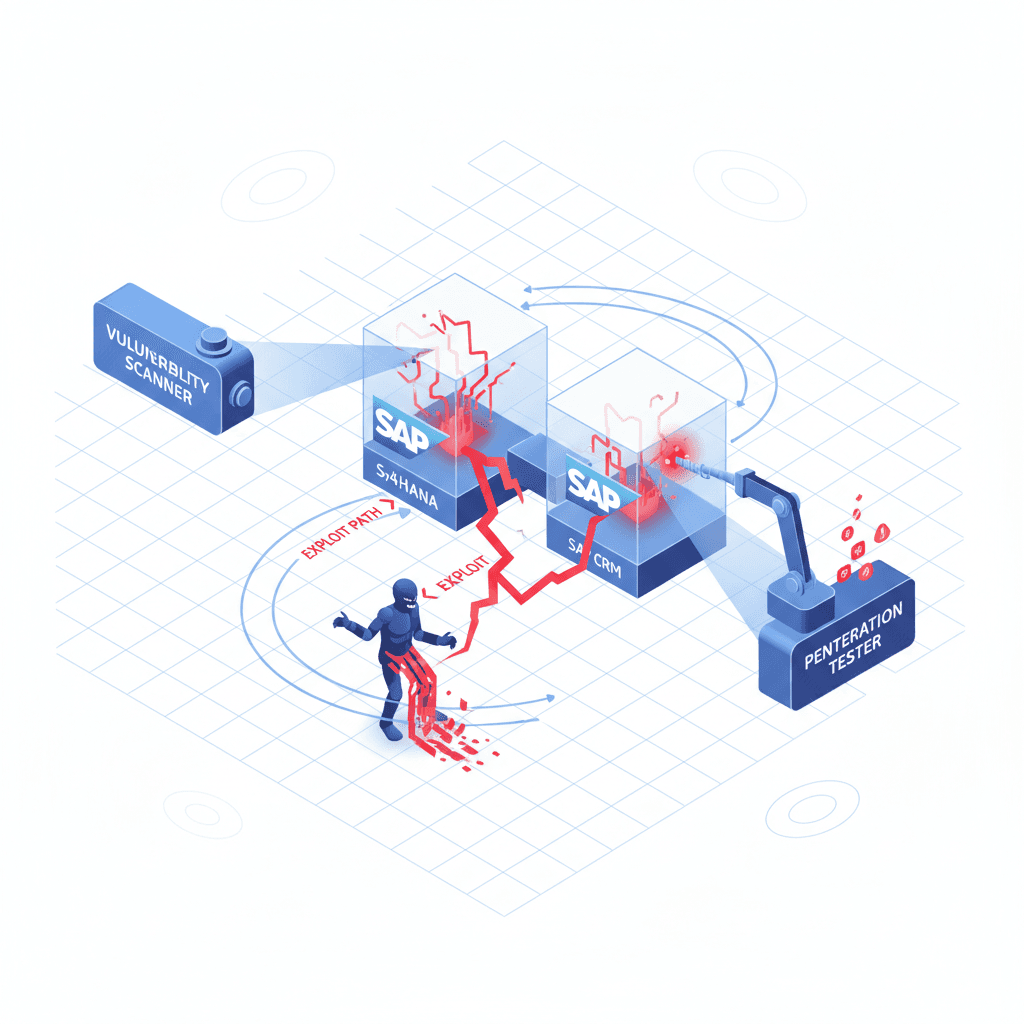
In the ever-evolving landscape of cybersecurity, organizations must remain vigilant against emerging threats. Recent reports have highlighted critical vulnerabilities within SAP business software, specifically targeting SAP CRM and S/4HANA. These vulnerabilities can potentially allow attackers to exploit databases, leading to severe data breaches and operational disruptions. This article delves into the nature of these vulnerabilities, their implications, and the best practices for safeguarding your systems.
Understanding the Vulnerabilities
SAP CRM and S/4HANA are integral components of many organizations' enterprise resource planning (ERP) systems. They facilitate crucial business processes, including customer relationship management and financial operations. However, recent findings have revealed that these systems are not immune to cyber threats. The vulnerabilities identified are categorized as "critical," indicating that they pose a significant risk if left unaddressed.
One of the primary concerns is the Scripting Editor vulnerability, which can be exploited by attackers to execute arbitrary code. This means that an attacker could potentially manipulate the system to gain unauthorized access to sensitive data or disrupt business operations. The ramifications of such an attack could be catastrophic, leading to financial losses and reputational damage.
Potential Impact of Exploitation
The exploitation of these vulnerabilities can have far-reaching consequences for organizations. Here are some potential impacts:
- Data Breaches: Attackers can access sensitive customer and financial data, leading to privacy violations and regulatory penalties.
- Operational Disruption: Exploiting these vulnerabilities can halt business operations, causing delays and loss of productivity.
- Financial Loss: The costs associated with data breaches, including remediation efforts and potential fines, can be substantial.
- Reputational Damage: Organizations may suffer long-term reputational harm, resulting in lost customer trust and business opportunities.
Best Practices for Mitigation
To protect against these vulnerabilities, organizations should adopt a proactive approach to cybersecurity. Here are some best practices to consider:
- Regular Updates: Ensure that all SAP software is up to date with the latest patches and security updates. Regular maintenance can significantly reduce the risk of exploitation.
- Vulnerability Assessments: Conduct routine vulnerability assessments to identify and address potential weaknesses in your systems.
- Access Controls: Implement strict access controls to limit who can access sensitive systems and data. This includes using role-based access and multi-factor authentication.
- Employee Training: Educate employees about cybersecurity best practices and the importance of recognizing potential threats, such as phishing attempts.
- Incident Response Plan: Develop and maintain an incident response plan to ensure your organization is prepared to respond swiftly to any security breaches.
- Internal and External Audits: Regularly perform internal and external audits to ensure compliance with security policies and to identify areas for improvement.
- Engage with Cybersecurity Experts: Collaborate with cybersecurity professionals to stay updated on the latest threats and mitigation strategies.
Conclusion
The recent vulnerabilities in SAP CRM and S/4HANA highlight the critical need for organizations to prioritize cybersecurity. By understanding the risks and implementing best practices, businesses can safeguard their systems against potential attacks. As cyber threats continue to evolve, staying informed and proactive is essential for protecting sensitive data and maintaining operational integrity.
Key Takeaways
- Stay informed about SAP vulnerabilities and their potential impacts.
- Implement regular updates and vulnerability assessments to protect your systems.
- Educate employees on cybersecurity best practices to minimize risks.
- Develop a robust incident response plan to address security breaches effectively.
Frequently Asked Questions (FAQ)
What are SAP vulnerabilities?
SAP vulnerabilities refer to security weaknesses within SAP software that can be exploited by attackers to gain unauthorized access to sensitive data or disrupt business operations.
How can organizations protect against SAP vulnerabilities?
Organizations can protect against SAP vulnerabilities by implementing best practices such as regular updates, vulnerability assessments, access controls, employee training, and having an incident response plan.
Why is it important to address SAP vulnerabilities?
Addressing SAP vulnerabilities is crucial to prevent data breaches, operational disruptions, financial losses, and reputational damage.