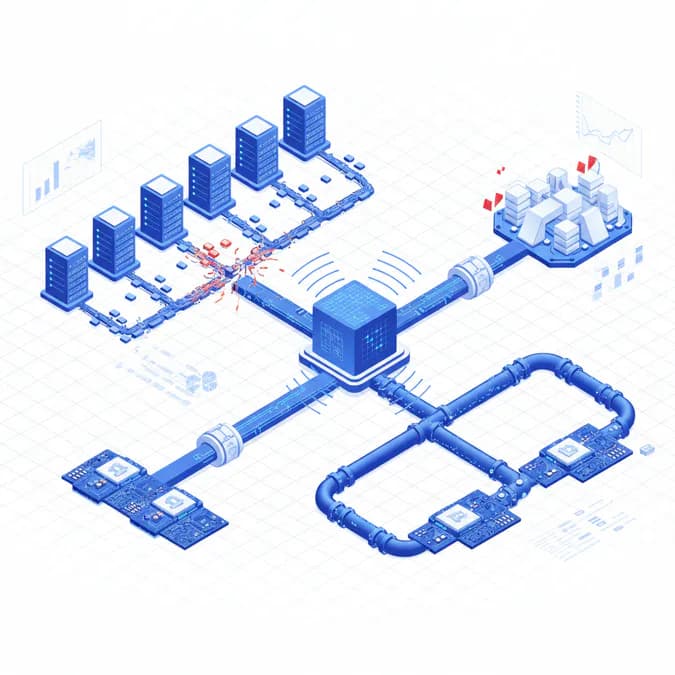
Global Supply Chain Vulnerabilities
Lagarde's remarks underscore the reality that supply chain vulnerabilities are no longer just logistical networks; they have become critical components of national security. The interdependence of countries in trade means that disruptions—whether due to cyberattacks, natural disasters, or political tensions—can have far-reaching consequences. For instance, a cyberattack on a major shipping company could halt the movement of goods, affecting multiple economies simultaneously.
Economic Security Implications
The economic ramifications of supply chain vulnerabilities are profound. Lagarde pointed out that the stability of the European economy is increasingly tied to the resilience of its supply chains. Disruptions can lead to inflation, increased costs for consumers, and a slowdown in economic growth. According to a report by the World Economic Forum, 79% of companies experienced supply chain disruptions due to the COVID-19 pandemic, highlighting the fragility of these systems.
Geopolitical Risk Assessment
On a geopolitical level, the security of supply chains is a matter of national interest. Countries are now more aware of how their dependencies can be exploited by adversaries. Lagarde's comments reflect a growing consensus among policymakers that supply chain security must be prioritized to safeguard national interests. For example, tensions between the U.S. and China have led to increased scrutiny of supply chain dependencies, particularly in technology sectors.
Recommendations for Mitigating Supply Chain Risks
To address these vulnerabilities, organizations must adopt a proactive approach to supply chain security. Here are several recommendations:
- Conduct Risk Assessments: Regularly evaluate supply chain vulnerabilities to identify potential risks.
- Enhance Cybersecurity Measures: Implement robust cybersecurity protocols to protect against cyber threats.
- Diversify Suppliers: Avoid over-reliance on single suppliers or regions to mitigate risks associated with geopolitical tensions.
- Invest in Technology: Utilize technologies such as blockchain for greater transparency and traceability in supply chains.
- Collaborate with Governments: Work with government agencies to develop policies that enhance supply chain security.
By taking these steps, organizations can better protect themselves against the evolving landscape of supply chain vulnerabilities.
In conclusion, as Christine Lagarde has emphasized, the security of supply chains is not just a logistical concern but a critical component of economic and geopolitical stability. By understanding and addressing these vulnerabilities, businesses and governments can work together to create a more resilient global trade environment.
Key Takeaways
- Supply chain vulnerabilities are critical to national security.
- Economic stability is closely linked to resilient supply chains.
- Proactive measures are essential for mitigating supply chain risks.