Key Takeaways
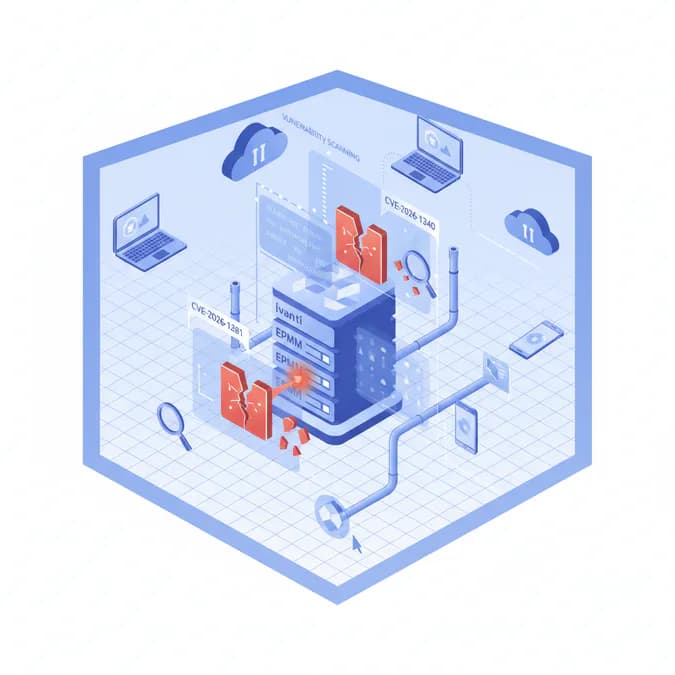
CVE-2026-1281 and CVE-2026-1340 are critical vulnerabilities in Ivanti EPMM that allow remote code execution. Organizations must act swiftly to mitigate risks by updating software, implementing security measures, and educating employees.
Table of Contents
- CVE-2026-1281 and CVE-2026-1340 Overview
- Impact of the Vulnerabilities
- Mitigation Strategies
- Frequently Asked Questions
- Conclusion
CVE-2026-1281 and CVE-2026-1340 Overview
CVE-2026-1281 and CVE-2026-1340 are critical Ivanti EPMM vulnerabilities that have been actively exploited in the wild. These vulnerabilities allow attackers to execute arbitrary code on affected systems without prior authentication. This is particularly concerning for organizations using Ivanti EPMM, as it can lead to unauthorized access and control over sensitive data. According to cybersecurity experts, swift action is essential to mitigate these risks effectively.
Impact of the Ivanti EPMM Vulnerabilities
The exploitation of these Ivanti EPMM vulnerabilities can have severe consequences, including:
- Unauthorized access to sensitive data.
- Potential for data breaches and loss of confidential information.
- Disruption of services and operational downtime.
- Financial losses due to remediation efforts and potential legal liabilities.
According to a report by Security Boulevard, organizations must act swiftly to address these Ivanti EPMM vulnerabilities to mitigate risks effectively. The urgency of the situation cannot be overstated, as the longer these vulnerabilities remain unaddressed, the greater the risk of exploitation.
Mitigation Strategies for Ivanti EPMM Vulnerabilities
To protect against the threats posed by CVE-2026-1281 and CVE-2026-1340, organizations should consider the following strategies:
- Update Software: Ensure that Ivanti EPMM is updated to the latest version, which includes patches for these vulnerabilities.
- Implement Web Application Firewalls (WAF): Solutions like AppTrana can help block attacks targeting these vulnerabilities.
- Conduct Regular Security Audits: Regularly assess your systems for vulnerabilities and ensure compliance with security best practices.
- Educate Employees: Train staff on recognizing phishing attempts and other tactics that attackers may use to exploit vulnerabilities.
Frequently Asked Questions about Ivanti EPMM Vulnerabilities
What are CVE-2026-1281 and CVE-2026-1340?
These are critical vulnerabilities in Ivanti EPMM that allow remote code execution without authentication.
How can organizations mitigate these vulnerabilities?
Organizations should update their software, implement web application firewalls, conduct regular security audits, and educate employees.
Why are these vulnerabilities concerning?
They can lead to unauthorized access, data breaches, operational downtime, and financial losses.
Conclusion
The discovery of CVE-2026-1281 and CVE-2026-1340 highlights the importance of proactive cybersecurity measures. Organizations using Ivanti EPMM must prioritize patching these vulnerabilities and implementing robust security solutions to safeguard their systems and data. By staying informed and taking appropriate actions, organizations can significantly reduce their risk of exploitation. The potential consequences of inaction are severe, making it essential to address these vulnerabilities immediately.