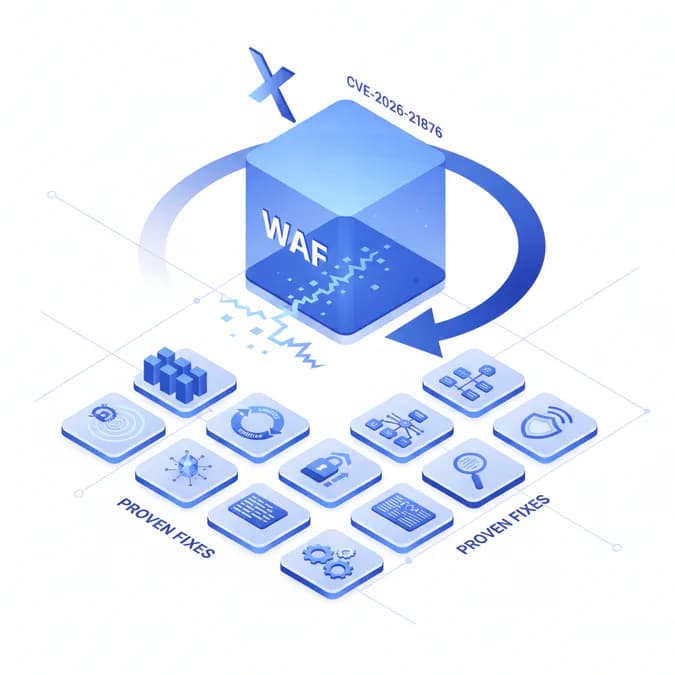
WAF Bypass Vulnerability: 10 Proven Fixes for Security
In the ever-evolving landscape of cybersecurity, vulnerabilities can pose significant risks to organizations and their data. Recently, Progress Software announced a fix for a critical web application firewall (WAF) bypass vulnerability, identified as CVE-2026-21876. This flaw resides within the OWASP core rule set (CRS), a widely adopted framework utilized by many web application firewalls to detect and mitigate various attack vectors. Understanding this vulnerability and its implications is crucial for organizations relying on WAFs to protect their web applications.
Understanding the WAF Bypass Vulnerability
The vulnerability CVE-2026-21876 was discovered in the OWASP CRS, which is designed to provide generic attack detection rules for web applications. WAFs are essential components in an organization’s cybersecurity strategy, acting as a barrier between web applications and potential threats. However, when vulnerabilities like CVE-2026-21876 are present, they can undermine the effectiveness of these defenses.
The Impact of WAF Bypass Vulnerabilities
WAF bypass vulnerabilities allow attackers to circumvent security measures, potentially leading to unauthorized access, data breaches, and other malicious activities. The implications of such vulnerabilities can be severe, including:
- Data Breaches: Sensitive information may be exposed, leading to financial loss and reputational damage.
- Service Disruption: Attackers can exploit vulnerabilities to disrupt services, impacting business operations.
- Compliance Issues: Organizations may face legal repercussions if they fail to protect user data adequately.
How the Vulnerability Works
The CVE-2026-21876 vulnerability exploits weaknesses in the rule set that governs how WAFs analyze incoming traffic. Specifically, it allows attackers to craft requests that bypass the detection mechanisms of the WAF, enabling them to execute malicious payloads without triggering alerts. This flaw highlights the importance of regularly updating and patching security systems to address emerging threats.
Progress Software's Response
In response to the discovery of CVE-2026-21876, Progress Software has released a patch to address this vulnerability. Organizations using the OWASP CRS are strongly encouraged to implement this fix immediately to safeguard their web applications. The patch not only resolves the specific vulnerability but also enhances the overall security posture of the WAF.
Best Practices for WAF Management
To ensure optimal protection against vulnerabilities like CVE-2026-21876, organizations should adopt the following best practices for WAF management:
- Regular Updates: Keep the WAF and its rule sets updated to defend against new threats.
- Configuration Review: Regularly review and adjust WAF configurations to align with the latest security standards.
- Monitoring and Logging: Implement comprehensive monitoring and logging to detect potential threats in real-time.
- Incident Response Plan: Develop and maintain an incident response plan to address security breaches swiftly.
- Training and Awareness: Educate staff on the importance of web application security and the role of WAFs in protecting against attacks.
The Role of OWASP in Cybersecurity
The Open Web Application Security Project (OWASP) plays a vital role in enhancing web security through its community-driven projects, including the OWASP CRS. By providing a set of best practices and guidelines, OWASP helps organizations implement effective security measures. The OWASP CRS is regularly updated to reflect the latest threats and vulnerabilities, making it an essential resource for organizations looking to bolster their web application security.
Conclusion
The discovery and subsequent patching of the CVE-2026-21876 vulnerability serve as a reminder of the importance of proactive cybersecurity measures. Organizations must remain vigilant and responsive to emerging threats to protect their web applications effectively. By implementing best practices and staying informed about the latest vulnerabilities, businesses can significantly reduce their risk exposure and enhance their overall security posture.
What This Means for Organizations
For organizations that rely on web application firewalls, the fix for CVE-2026-21876 is a crucial step in maintaining robust security. It emphasizes the need for continuous monitoring and updating of security measures to combat evolving threats. As cyber threats become increasingly sophisticated, organizations must prioritize their cybersecurity strategies to safeguard their data and maintain trust with their customers.
Key Takeaways
- Stay informed about vulnerabilities like CVE-2026-21876 and apply necessary patches promptly.
- Implement best practices for WAF management to enhance security.
- Regularly review and update security measures to adapt to new threats.
- Educate staff on web application security and the importance of WAFs.
Frequently Asked Questions (FAQ)
What is a WAF bypass vulnerability?
A WAF bypass vulnerability allows attackers to circumvent the security measures of a web application firewall, potentially leading to unauthorized access and data breaches.
How can organizations protect against WAF bypass vulnerabilities?
Organizations can protect against WAF bypass vulnerabilities by regularly updating their WAFs, reviewing configurations, and implementing best practices for security management.
Why is the OWASP CRS important?
The OWASP CRS provides a set of best practices and guidelines that help organizations detect and mitigate various attack vectors, making it essential for web application security.
Table of Contents
- Understanding the WAF Bypass Vulnerability
- The Impact of WAF Bypass Vulnerabilities
- How the Vulnerability Works
- Progress Software's Response
- Best Practices for WAF Management
- The Role of OWASP in Cybersecurity
- Conclusion
- What This Means for Organizations
- Key Takeaways
- Frequently Asked Questions (FAQ)