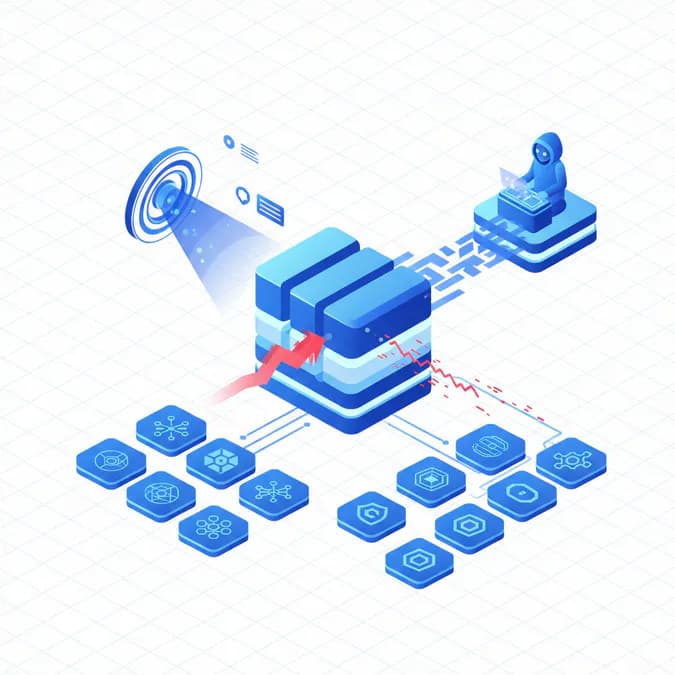
Understanding the WAF Bypass Vulnerability
The WAF bypass vulnerability identified in Cloudflare's Web Application Firewall (WAF) is particularly concerning due to its ability to allow unauthorized access to backend servers. Web application firewalls are designed to protect web applications by filtering and monitoring HTTP traffic between a web application and the Internet. A successful bypass of such a system can lead to severe consequences, including data breaches, service disruptions, and unauthorized access to sensitive information.
How the Bypass Worked
While specific technical details are often withheld for security reasons, it is understood that the vulnerability exploited weaknesses in the WAF's filtering mechanisms. Attackers could potentially craft requests that would evade detection, allowing them to interact directly with the server hosting the web application. This could lead to various attacks, including SQL injection, cross-site scripting (XSS), and other forms of exploitation. Research indicates that many organizations remain vulnerable due to outdated configurations and insufficient monitoring.
The Implications of the WAF Bypass Vulnerability
The implications of such a vulnerability are far-reaching. Organizations using Cloudflare's WAF for their web applications must understand the risks associated with this flaw. Here are some potential consequences:
- Data Breaches: Attackers could gain access to sensitive user data, leading to identity theft and financial loss.
- Service Disruption: Exploiting the vulnerability could result in downtime for web applications, affecting business operations and customer trust.
- Reputation Damage: Organizations may suffer reputational harm if they are unable to protect user data adequately.
Who is Affected?
Any organization utilizing Cloudflare's WAF is potentially at risk, especially those that handle sensitive information or rely heavily on their web applications for business operations. This includes e-commerce sites, financial institutions, and any service that processes personal data. Industry experts note that the risk is particularly high for businesses that do not regularly update their security measures.
Cloudflare’s Response to the WAF Bypass Vulnerability
In response to the discovery of this vulnerability, Cloudflare acted swiftly to implement a patch. The company has emphasized its commitment to security and has provided guidance to its users on how to ensure their systems remain secure. The patch not only addresses the immediate vulnerability but also strengthens the overall security posture of the WAF.
Steps Taken by Cloudflare
- Immediate Patch Deployment: Cloudflare released a patch to fix the vulnerability as soon as it was identified.
- Security Updates: The company has issued updates to its documentation to help users understand the changes and how to implement them effectively.
- Ongoing Monitoring: Cloudflare continues to monitor its systems for any signs of exploitation related to this vulnerability.
Best Practices for Organizations to Mitigate WAF Bypass Vulnerability
Organizations using Cloudflare's WAF should take proactive measures to safeguard their applications. Here are some best practices to consider:
- Update Regularly: Ensure that the WAF and all associated software are updated regularly to incorporate the latest security patches.
- Conduct Security Audits: Regularly audit your web applications and WAF configurations to identify potential vulnerabilities.
- Implement Layered Security: Use a multi-layered security approach that includes firewalls, intrusion detection systems, and regular security training for staff.
- Monitor Traffic: Keep an eye on traffic patterns to detect any unusual activity that may indicate an attempted breach.
- Educate Employees: Provide training on cybersecurity best practices to ensure that all employees are aware of potential threats.
What This Means for the Future of Cybersecurity
The discovery and subsequent patching of this WAF bypass vulnerability highlight the ongoing challenges in the field of cybersecurity. As technology evolves, so do the tactics employed by cybercriminals. Organizations must remain vigilant and proactive in their security measures to protect against emerging threats. Continuous improvement in security protocols is essential to mitigate risks effectively.
The Importance of Cybersecurity Awareness
In today’s digital landscape, cybersecurity awareness is crucial. Organizations must foster a culture of security, where employees are encouraged to report suspicious activities and understand the importance of safeguarding sensitive information. Regular training and updates on the latest threats can significantly enhance an organization’s defense against cyber attacks. Statistics show that organizations with strong security awareness programs are less likely to experience breaches.
The Bottom Line
Cloudflare's swift action to patch the critical WAF bypass vulnerability demonstrates the importance of timely responses to security threats. Organizations must take this incident as a reminder to prioritize cybersecurity and implement best practices to protect their web applications. By staying informed and proactive, businesses can better safeguard their systems against potential threats.
Key Takeaways
- Understanding the WAF bypass vulnerability is essential for organizations using Cloudflare.
- Proactive measures and best practices can significantly mitigate risks.
- Continuous monitoring and employee education are vital for maintaining cybersecurity.
Frequently Asked Questions (FAQ)
What is a WAF bypass vulnerability?
A WAF bypass vulnerability allows attackers to circumvent the protections offered by a Web Application Firewall, potentially leading to unauthorized access to backend systems.
How can organizations protect against WAF bypass vulnerabilities?
Organizations can protect against these vulnerabilities by regularly updating their WAF, conducting security audits, and implementing a layered security approach.
Why is cybersecurity awareness important?
Cybersecurity awareness is crucial as it helps employees recognize and respond to potential threats, thereby enhancing the overall security posture of the organization.
Table of Contents
- Understanding the WAF Bypass Vulnerability
- How the Bypass Worked
- The Implications of the WAF Bypass Vulnerability
- Who is Affected?
- Cloudflare’s Response to the WAF Bypass Vulnerability
- Steps Taken by Cloudflare
- Best Practices for Organizations to Mitigate WAF Bypass Vulnerability
- What This Means for the Future of Cybersecurity
- The Importance of Cybersecurity Awareness
- The Bottom Line
- Key Takeaways
- Frequently Asked Questions (FAQ)
For further reading, consider reviewing resources from CISA and NIST for authoritative guidance on cybersecurity best practices.