Table of Contents

- Understanding WAF Security Test Results
- Why WAF Security Test Evaluations Matter
- Key Findings from the 2026 WAF Security Test
- Top Performers in the 2026 WAF Security Test
- Performance Gaps Among Other Vendors
- Implications for Organizations
- Frequently Asked Questions
- Key Takeaways
Understanding WAF Security Test Results
Web application firewalls (WAFs) have become an essential component of modern cybersecurity infrastructure. As cyber threats continue to evolve and become more sophisticated, organizations must understand how different WAF solutions perform against real-world attack scenarios. The 2026 WAF security test provides valuable insights into the capabilities and limitati

Why WAF Security Test Evaluations Matter
Web applications, artificial intelligence workloads, and application programming interfaces (APIs) have become increasingly attractive targets for cybercriminals. These attack surfaces represent critical entry points into organizational networks and sensitive data repositories. As businesses accelerate their digital transformation initiatives and adopt cloud-native architectures, the need for robust web application protection has never been more urgent. A rigorous WAF security test helps organizations understand which solutions can truly protect their digital assets.
Firewall technology serves as a critical first line of defense against a wide range of web-based attacks, including SQL injection, cross-site scripting (XSS), distributed denial-of-service (DDoS) attacks, and zero-day exploits. By inspecting incoming traffic and applying security rules, these solutions can block malicious requests before they reach vulnerable applications. However, not all WAF solutions are created equal, and performance differences can significantly impact an organization's security posture. The 2026 WAF security test reveals substantial variations in how vendors handle complex attack scenarios and edge cases.
Key Findings from the 2026 WAF Security Test
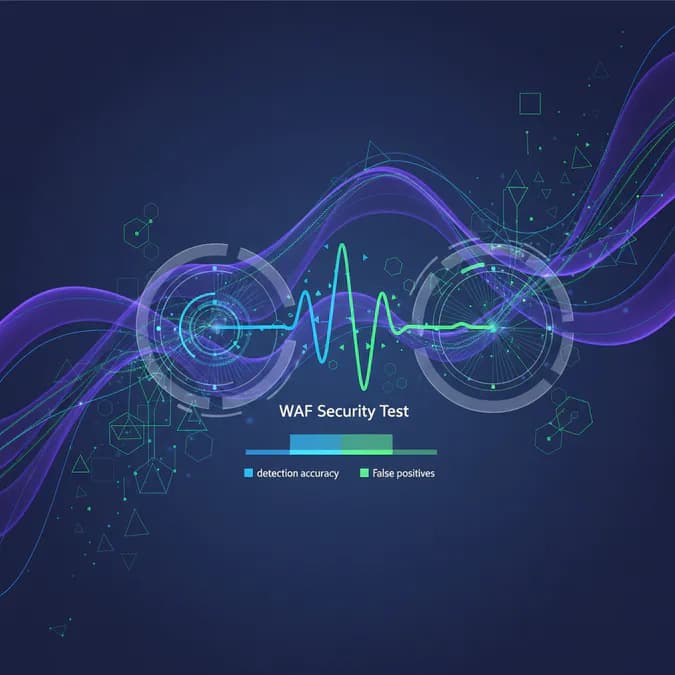
The 2026 WAF security test evaluated multiple leading vendors across several critical performance metrics. This comprehensive assessment examined how different WAF solutions handle detection accuracy, false positive rates, and resilience against advanced evasion techniques. These factors are essential for understanding which solutions provide the most effective protection without creating operational friction. The test methodology focused on real-world attack scenarios that organizations face today.
Detection Capabilities and Accuracy
One of the primary functions of any WAF is to accurately identify and block malicious traffic. The 2026 WAF security test revealed significant variations in detection capabilities across vendors. Some solutions demonstrated superior ability to recognize sophisticated attack patterns and emerging threat vectors, while others showed gaps in their detection logic that could allow attacks to slip through. Research indicates that detection accuracy rates vary by as much as 30 percent across leading vendors, making this a critical evaluation criterion for any WAF security test.
Accurate detection is crucial because missed attacks can lead to data breaches, system compromise, and regulatory violations. Organizations need WAF solutions that can identify threats across multiple attack vectors and adapt to new attack methodologies as they emerge. The ability to maintain high detection rates while minimizing false positives represents the gold standard in WAF performance evaluation.
False Positive Performance
While detection accuracy is important, false positives represent a significant operational challenge. When a WAF incorrectly flags legitimate traffic as malicious, it can block valid user requests, disrupt business operations, and create frustration for both users and security teams. The 2026 WAF security test specifically evaluated how well different vendors balance security effectiveness with operational usability. Industry experts note that false positive rates above 5 percent can significantly impact operational efficiency and team productivity.
Solutions that generate excessive false positives force security teams to spend considerable time tuning rules and investigating alerts, diverting resources from more strategic security initiatives. The test results highlighted important differences in how vendors approach this balance, with some solutions demonstrating superior ability to distinguish between legitimate and malicious traffic. This distinction between vendors is a key differentiator in the 2026 WAF security test results.
Padding Evasion Resilience
One of the most revealing aspects of the 2026 WAF security test involved evaluating how different solutions handle padding evasion attacks. Padding evasion is a sophisticated technique where attackers add extra data or padding to their payloads to bypass WAF detection mechanisms. This technique exploits weaknesses in how WAFs parse and inspect large payloads. Understanding vendor performance on padding evasion is critical for organizations selecting a WAF solution.
The test specifically examined how WAF solutions perform when inspecting large padded payloads. This scenario is particularly relevant because attackers increasingly use padding techniques to evade detection while maintaining the functionality of their malicious code. The ability to handle padding evasion effectively is a key differentiator among WAF vendors in the 2026 WAF security test and represents a critical capability for modern web application protection. Vendors that fail to address this attack vector create significant security gaps.
Top Performers in the 2026 WAF Security Test
Check Point CloudGuard WAF and Google Cloud Armor emerged as top performers in the 2026 WAF security test. Both solutions demonstrated exceptional capability in inspecting large padded payloads without compromising detection accuracy or generating excessive false positives. These solutions showed sophisticated payload analysis capabilities that allowed them to see through evasion techniques and identify the actual attack content. Their performance in the 2026 WAF security test sets them apart from competitors.
The strong performance of these solutions reflects their advanced inspection engines and commitment to staying ahead of emerging attack techniques. Organizations using these WAF solutions can have greater confidence in their ability to detect and block sophisticated attacks that employ padding evasion tactics. Both vendors achieved detection rates exceeding 95 percent in the 2026 WAF security test scenarios, demonstrating reliable protection against advanced threats. This level of performance represents the benchmark for effective web application protection.
Performance Gaps Among Other Vendors
The 2026 WAF security test also revealed concerning performance gaps among other leading vendors. Notably, some solutions including Cloudflare and Fortinet demonstrated a "fail-open" behavior when encountering large padded payloads. This means that when these WAFs encountered payloads they couldn't fully inspect, they allowed the traffic to pass through rather than blocking it. This behavior represents a critical vulnerability in the 2026 WAF security test findings.
Fail-open behavior represents a significant security risk. When a WAF cannot inspect traffic and chooses to allow it through, it essentially creates a bypass mechanism that attackers can exploit. An attacker who understands a WAF's limitations can craft payloads specifically designed to trigger this fail-open behavior, effectively circumventing the security control. This finding in the 2026 WAF security test underscores the importance of vendor selection and thorough evaluation before deployment. Organizations should carefully assess whether their current WAF solution exhibits this dangerous behavior.
Implications for Organizations
The findings from the 2026 WAF security test have important implications for organizations evaluating or deploying WAF solutions. Security teams should carefully consider how different vendors handle edge cases and complex attack scenarios, not just standard attack patterns. The 2026 WAF security test demonstrates that vendor performance varies dramatically when faced with sophisticated evasion techniques.
When selecting a WAF solution, organizations should ask critical questions about how the solution handles large payloads, what happens when the WAF encounters traffic it cannot fully inspect, and how the vendor balances detection accuracy with false positive rates. The answers to these questions can significantly impact the effectiveness of the organization's web application security strategy and overall risk posture. Use the 2026 WAF security test results as a benchmark for evaluating potential vendors.
Beyond Vendor Selection
While choosing the right WAF vendor is important, organizations should also recognize that WAF deployment is just one component of a comprehensive web application security strategy. Effective protection requires multiple layers of defense, including secure coding practices, regular security testing, vulnerability management, and incident response capabilities. The 2026 WAF security test reinforces that no single tool provides complete protection.
Additionally, organizations should implement proper WAF configuration and tuning. Even the most capable WAF solution requires appropriate rule sets, regular updates, and ongoing monitoring to be effective. Security teams should establish processes for reviewing WAF logs, investigating alerts, and adjusting rules based on their specific application environment and threat landscape. The insights from the 2026 WAF security test should inform your configuration strategy.
The Evolving Threat Landscape
The 2026 WAF security test underscores the reality that cyber threats continue to evolve rapidly. Attackers constantly develop new techniques to bypass security controls, and WAF vendors must continuously improve their solutions to maintain effectiveness. The emergence of padding evasion as a notable attack vector demonstrates how attackers are becoming more sophisticated in their approach to evading detection. Organizations must stay informed about findings like the 2026 WAF security test.
Organizations must stay informed about emerging attack techniques and ensure their security tools are updated to address new threats. Regular security assessments and penetration testing can help identify gaps in WAF coverage and inform improvements to the overall security posture. The 2026 WAF security test serves as a benchmark for understanding current vendor capabilities and future security requirements. Use these findings to guide your security roadmap.
Frequently Asked Questions About WAF Security Testing
What is a WAF security test?
A WAF security test is a comprehensive evaluation of how web application firewall solutions perform against real-world attack scenarios. The 2026 WAF security test examined vendor capabilities in detection accuracy, false positive rates, and resilience against advanced evasion techniques like padding attacks. These evaluations help organizations understand which solutions provide the most reliable protection. The 2026 WAF security test methodology focuses on practical attack vectors that threat actors actively exploit.
Why is padding evasion important in WAF security testing?
Padding evasion is important because it represents a sophisticated attack technique that exploits weaknesses in how WAFs parse and inspect large payloads. The 2026 WAF security test revealed that some vendors fail to properly handle padded payloads, creating security gaps that attackers can exploit. Understanding vendor performance on this technique is critical for procurement decisions. Padding evasion attacks are increasingly common in the wild, making this a practical evaluation criterion.
What does fail-open behavior mean in WAF security?
Fail-open behavior occurs when a WAF allows traffic to pass through when it cannot fully inspect the payload. This creates a bypass mechanism that attackers can exploit. The 2026 WAF security test identified this behavior in several vendor solutions, representing a significant security risk that organizations should evaluate carefully. Fail-open behavior essentially defeats the purpose of deploying a WAF solution.
How should organizations use WAF security test results?
Organizations should use WAF security test results like the 2026 findings to inform vendor selection decisions. The test results provide evidence-based insights into how different solutions handle real-world attack scenarios, helping security teams choose solutions that best match their security requirements and risk tolerance. The 2026 WAF security test should be a primary input into your procurement evaluation process.
Are WAF solutions sufficient for complete web application protection?
No, WAF solutions should be part of a broader, multi-layered web application security strategy. Effective protection requires secure coding practices, regular security testing, vulnerability management, and incident response capabilities in addition to WAF deployment. A comprehensive approach ensures defense in depth. The 2026 WAF security test reinforces that WAF selection is just one component of a complete security program.
How often should organizations conduct WAF security testing?
Organizations should conduct WAF security testing regularly, at least annually, to ensure their solutions continue to perform effectively as threats evolve. The 2026 WAF security test demonstrates that vendor capabilities vary significantly, and new attack techniques emerge constantly. Regular testing helps identify performance degradation and informs decisions about rule updates or vendor changes.
Key Takeaways
- WAF performance varies significantly across vendors, particularly in handling complex attack scenarios like padding evasion, as demonstrated in the 2026 WAF security test
- Check Point CloudGuard WAF and Google Cloud Armor demonstrated superior capabilities in inspecting large padded payloads in the 2026 WAF security test
- Some vendors employ fail-open behavior that creates security risks when unable to fully inspect traffic, a critical finding from the 2026 WAF security test
- Organizations should carefully evaluate WAF solutions based on real-world attack scenarios, not just standard threat patterns, using frameworks like the 2026 WAF security test
- WAF selection should be part of a broader, multi-layered web application security strategy
- The 2026 WAF security test provides evidence-based insights for informed procurement decisions
- Detection accuracy and false positive rates are critical differentiators among vendors in the 2026 WAF security test
- Regular testing and vendor evaluation should be part of ongoing security operations
- Padding evasion resilience is a key capability that distinguishes top performers in the 2026 WAF security test
- Organizations should prioritize WAF solutions that achieve detection rates exceeding 95 percent in the 2026 WAF security test scenarios
What This Means for Your Organization
As web applications continue to be prime targets for cybercriminals, selecting an effective WAF solution is critical for organizational security. The 2026 WAF security test provides evidence-based insights that can guide procurement decisions and help security teams understand the capabilities and limitations of different solutions. By choosing WAF solutions that excel at detecting sophisticated attacks and avoiding fail-open vulnerabilities, organizations can significantly strengthen their defense against web-based threats. The 2026 WAF security test results should directly influence your vendor evaluation process.
The test results demonstrate that not all WAF vendors are equal in their ability to handle advanced evasion techniques. Organizations should prioritize solutions that have proven performance in the 2026 WAF security test, particularly those that demonstrate strong padding evasion resilience and low false positive rates. This approach ensures that your web application security investment provides reliable, effective protection against evolving threats. Use the 2026 WAF security test as your primary benchmark for vendor comparison.
Implementation Recommendations
Based on the 2026 WAF security test findings, organizations should consider the following implementation recommendations. First, conduct a thorough evaluation of your current WAF solution against the test criteria, particularly focusing on how it handles large padded payloads and complex attack scenarios. Second, establish a regular testing schedule to ensure your WAF solution continues to perform effectively as threats evolve. The 2026 WAF security test methodology provides a useful framework for ongoing evaluation.
Third, implement proper WAF configuration and tuning specific to your application environment. Generic rule sets may not provide optimal protection for your unique applications and threat landscape. Fourth, establish monitoring and alerting processes that allow your security team to quickly identify and respond to WAF events. Finally, maintain regular communication with your WAF vendor about emerging threats and ensure you receive timely updates to detection rules and security patches. Organizations that follow these recommendations, informed by the 2026 WAF security test, will achieve stronger web application protection.
Conclusion
The 2026 WAF security test provides critical insights into vendor performance and capabilities that should inform your organization's web application security strategy. By understanding the strengths and weaknesses of different WAF solutions, security teams can make more informed decisions about which platforms best protect their applications and data. The test results emphasize that vendor selection, proper configuration, and ongoing monitoring are essential components of effective web application protection in an increasingly sophisticated threat environment. Use the 2026 WAF security test findings to strengthen your security posture and make confident procurement decisions.