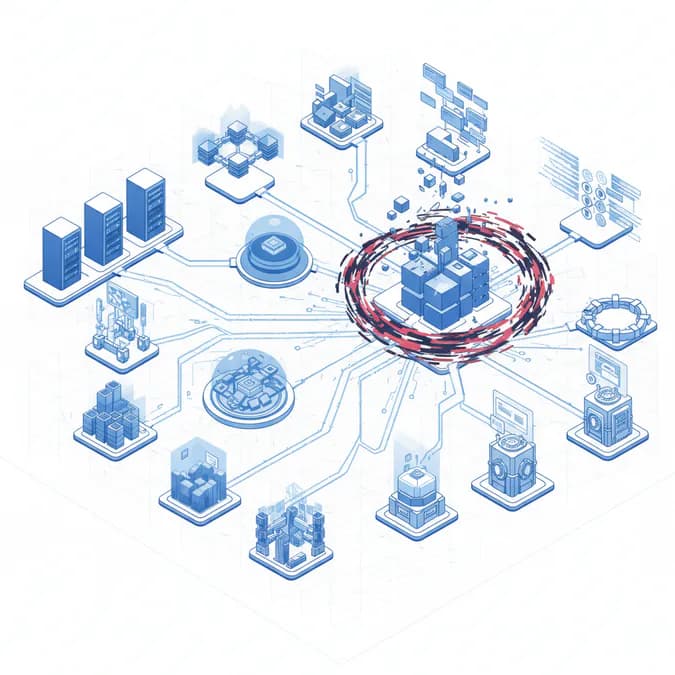
Introduction to Web Application Firewalls
Web Application Firewalls (WAFs) are critical components in modern cybersecurity strategies, designed to protect web applications from various threats. As the digital landscape evolves, so do the tactics employed by cybercriminals, making it essential for organizations to stay informed about the latest developments in WAF technology. This article delves into the latest news, real-world incidents, expert analysis, and emerging trends in the WAF market.
Key Functions of WAFs
- Traffic Inspection: WAFs analyze incoming and outgoing traffic to identify and block malicious requests.
- Rule-Based Protection: They utilize predefined rules and signatures to detect known threats.
- Behavioral Analysis: Advanced WAFs employ AI-driven behavioral analysis to identify unusual patterns that may indicate an attack.
The WAF market is projected to grow significantly, reaching USD 22.05 billion by 2031, with a compound annual growth rate (CAGR) of 14.9% from 2026 to 2031, according to Mordor Intelligence. This growth is driven by the increasing number of API attacks, the proliferation of cloud-native applications, and regulatory demands for data protection in sectors like banking, financial services, and insurance (BFSI).
Recent Incidents
Real-world incidents highlight the importance of WAFs in protecting sensitive data. For instance, the surge in API attacks has prompted organizations to reevaluate their security measures. WAFs play a crucial role in mitigating these threats by providing an additional layer of defense against unauthorized access and data breaches.
Notable Incidents
- API Breaches: Many organizations have reported breaches due to vulnerabilities in their APIs, emphasizing the need for robust WAF solutions.
- Data Leaks: High-profile data leaks have underscored the necessity for WAFs to protect against SQL injection and XSS attacks.
These incidents serve as a reminder that even established organizations can fall victim to cyber threats if they do not implement adequate security measures.
Expert Analysis
Experts in the cybersecurity field emphasize the growing importance of WAFs in the face of evolving threats. The integration of artificial intelligence (AI) into WAF technology is particularly noteworthy, as it enhances threat detection capabilities and enables quicker responses to new vulnerabilities.
Insights from Industry Analysts
- According to analysts from Grand View Research, "Automated and AI-powered next-generation firewall solutions are gaining traction among organizations, as they are capable of responding quickly to new threats."
- The BFSI sector leads the adoption of WAFs, particularly in hybrid and cloud environments, to safeguard financial data and comply with regulatory requirements.
The shift towards AI-powered WAFs is indicative of a broader trend in cybersecurity, where organizations are increasingly relying on intelligent solutions to combat sophisticated attacks.
Trends in Cybersecurity
As the cybersecurity landscape continues to evolve, several key trends are shaping the future of WAF technology. Understanding these trends is essential for organizations looking to enhance their security posture.
Key Trends
- AI-Enhanced Threat Detection: The integration of AI into WAFs allows for real-time analysis of traffic patterns, enabling quicker identification of potential threats.
- Hybrid Deployments: Hybrid WAF configurations are projected to grow at a CAGR of 15.57%, balancing the agility of cloud solutions with the compliance needs of on-premises systems.
- DevSecOps Integration: Organizations are increasingly adopting DevSecOps practices, ensuring that security is integrated into the development process from the outset.
- Data Sovereignty Concerns: As data residency mandates become more stringent, organizations are turning to hybrid WAF solutions to comply with local regulations while maintaining operational flexibility.
- Quantum Computing Threats: Analysts from Gartner warn that advances in quantum computing could threaten traditional encryption methods, prompting innovations in WAF technology to address these challenges.
The WAF market is not only expanding but also evolving to meet the demands of a rapidly changing digital landscape. Organizations must stay informed about these trends to effectively protect their web applications.
Key Takeaways
- Web Application Firewalls are essential for protecting web applications against various cyber threats.
- The integration of AI into WAF technology enhances threat detection and response capabilities.
- Organizations must stay updated on trends and incidents to maintain robust cybersecurity measures.
- Investing in advanced WAF solutions is crucial for compliance and data protection.
FAQ
What is a Web Application Firewall (WAF)?
A Web Application Firewall (WAF) is a security solution that monitors and filters HTTP traffic between a web application and the internet, protecting against various attacks.
Why are WAFs important?
WAFs are important because they provide an additional layer of security for web applications, helping to prevent data breaches and unauthorized access.
How do WAFs work?
WAFs work by analyzing incoming traffic, applying predefined security rules, and blocking malicious requests before they reach the web application.
Conclusion
Web Application Firewalls are an essential component of any comprehensive cybersecurity strategy. As cyber threats continue to evolve, the importance of WAFs in safeguarding web applications cannot be overstated. By staying informed about the latest trends, incidents, and expert insights, organizations can better prepare themselves to defend against emerging threats. The projected growth of the WAF market underscores the increasing recognition of the need for robust web application security. Investing in advanced WAF solutions, particularly those leveraging AI and hybrid configurations, will be crucial for organizations aiming to protect their sensitive data and maintain compliance in an ever-changing regulatory environment.
Sources
- Automated Pipeline
- Web Application Firewall Market Size and Share - Mordor Intelligence
- Web Application Firewall Market Size & Share Report, 2030 - Grand View Research
- Gartner: Top Cybersecurity Trends for 2026 - DEVOPSdigest
- Web Application Firewall Market to Surpass US$ 19 Billion by 2034 - HackMD
- Source: vocal.media