Table of Contents

- Understanding the Xiaopi WAF Vulnerability
- Implications of the Vulnerability
- Best Practices for Mitigating Risks
- The Role of the Cybersecurity Community
- Conclusion
- Key Takeaways
- FAQ
Understanding the Xiaopi WAF Vulnerability
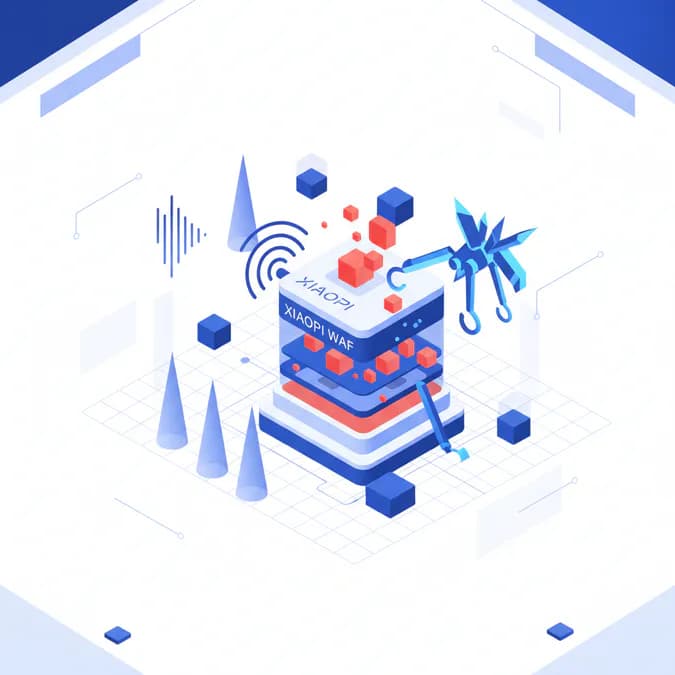
The Xiaopi Web Application Firewall (WAF) is designed to protect web applications from various threats, including SQL injection, cross-site scripting (XSS), and other common attack vectors. However, a recent discovery has revealed a bypass vulnerability that could allow attackers to circumvent the security measures implemented by this WAF.
According to repor

Implications of the Vulnerability
The implications of the Xiaopi WAF vulnerability are significant. If exploited, attackers could gain unauthorized access to backend systems, leading to data breaches, loss of sensitive information, and potential financial repercussions for affected organizations. Furthermore, the reputation of the organization could suffer, resulting in a loss of customer trust.
- Data Breaches: Unauthorized access can lead to the theft of sensitive customer data, including personal and financial information.
- Financial Loss: Organizations may face substantial costs related to incident response, legal fees, and potential fines.
- Reputation Damage: A security breach can severely impact an organization’s reputation, leading to a loss of customer confidence.
Best Practices for Mitigating Risks
To safeguard against vulnerabilities like the one found in Xiaopi WAF, organizations should implement a series of best practices:
- Regular Updates: Ensure that the WAF and all associated software are regularly updated to the latest versions to mitigate known vulnerabilities.
- Security Audits: Conduct regular security audits and penetration testing to identify and address potential weaknesses in the system.
- Incident Response Plan: Develop and maintain an incident response plan to quickly address any security breaches that may occur.
- Employee Training: Train employees on security best practices and the importance of recognizing potential threats.
- Layered Security: Implement a multi-layered security approach that includes firewalls, intrusion detection systems, and regular monitoring of network traffic.
- External Resources: Utilize resources from cybersecurity authorities to stay updated on vulnerabilities and best practices.
- Community Engagement: Engage with the cybersecurity community to share insights and learn from others' experiences.
The Role of the Cybersecurity Community
The cybersecurity community plays a vital role in identifying and addressing vulnerabilities. Collaboration among security researchers, organizations, and vendors is essential for sharing information about newly discovered vulnerabilities and developing effective solutions.
In the case of the Xiaopi WAF vulnerability, community members have already begun discussing the issue on platforms such as GitHub, where researchers are sharing insights and potential remediation strategies. This collaborative effort is crucial for ensuring that organizations can effectively respond to emerging threats.
Conclusion
The Xiaopi Web Application Firewall vulnerability serves as a stark reminder of the importance of vigilance in cybersecurity. Organizations must prioritize security measures to protect their applications from potential threats. By staying informed about vulnerabilities, implementing best practices, and fostering collaboration within the cybersecurity community, organizations can enhance their defenses against cyber attacks.
As the digital landscape continues to evolve, so too must the strategies employed to safeguard sensitive information. Continuous education, proactive measures, and a commitment to security will be essential in navigating the complexities of cybersecurity.
Key Takeaways
- The Xiaopi WAF vulnerability poses significant risks to web applications.
- Organizations must implement best practices to mitigate these risks effectively.
- Collaboration within the cybersecurity community is essential for addressing vulnerabilities.
FAQ
What is the Xiaopi WAF vulnerability?
The Xiaopi WAF vulnerability is a security flaw that allows unauthorized access to sensitive data by bypassing the firewall's filtering mechanisms.
How can organizations protect themselves from this vulnerability?
Organizations can protect themselves by regularly updating their WAF, conducting security audits, and implementing a layered security approach.
Why is collaboration important in cybersecurity?
Collaboration is crucial in cybersecurity as it allows for the sharing of information about vulnerabilities and the development of effective solutions to combat them.
Additionally, organizations should consider linking to authoritative sources such as CISA and NIST for further guidance on cybersecurity best practices.